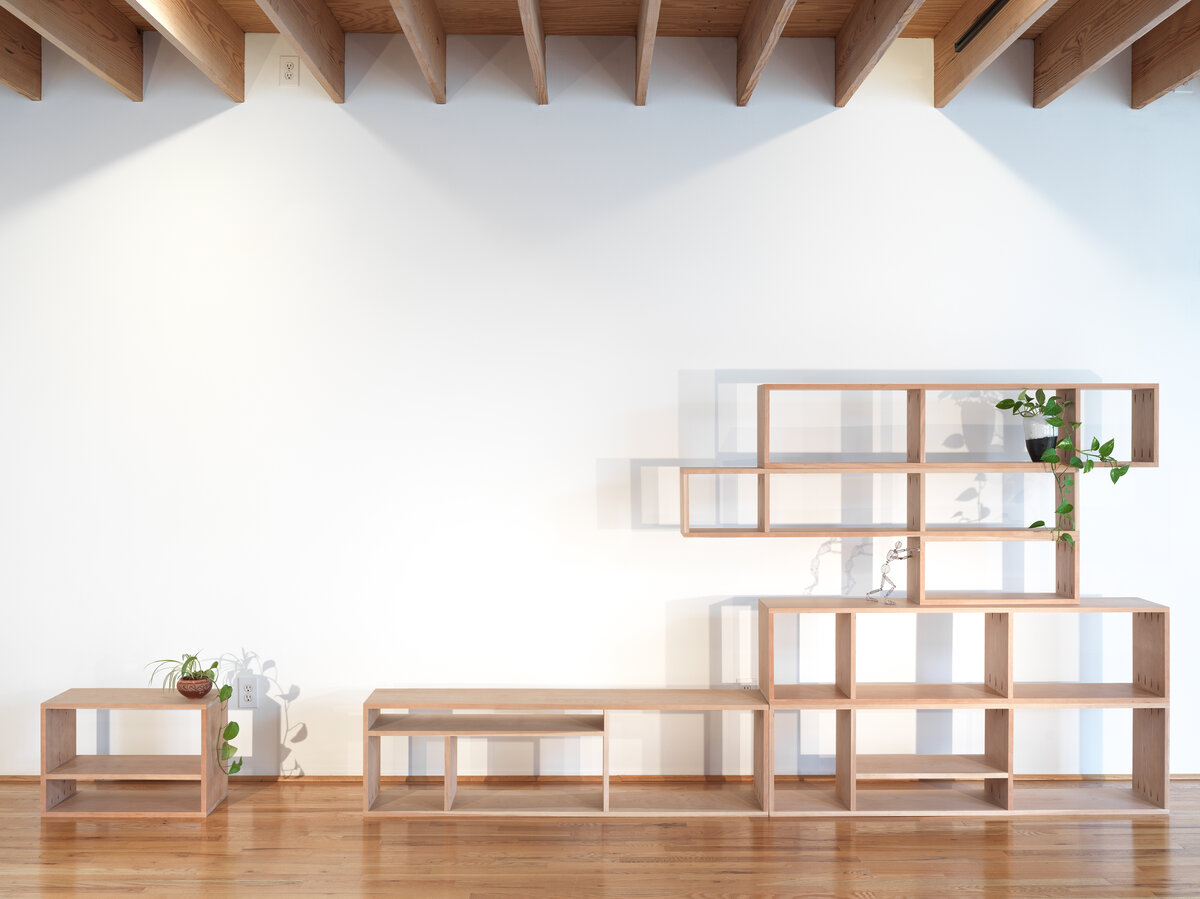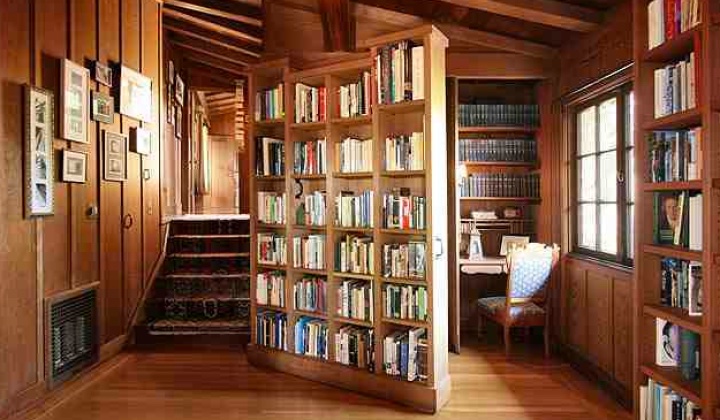
My advisor told me not to study Japanese architecture. I was a Spanish PhD candidate, and his argument was direct: I would never be able to think like a Japanese person, and therefore the research would always be limited from the outside. I listened carefully, and decided immediately to go ahead. What he was describing sounded to me not like a limitation — but like the most interesting research position possible.
What drew me to Japan was something I could not name yet. A quality I kept encountering in photographs and in buildings: precision, yes, but not the cold kind. Beauty, but not decoration. And above all else, elegance — a word that to me has always meant the maximum effect achieved with the minimum means. Japan was the opposite side of the globe from Spain. Everything I had grown up with — the weight of stone, the drama of the baroque, the southern light — was the inverse of what I saw in those interiors of wood, shadow, and deliberate restraint. That distance felt like the right kind of distance for research.
I enrolled in an international PhD program that required two years of research outside Europe. Berkeley was one of the required stops. I came thinking of it as a transition point — a place to pass through on the way to Japan. I did not expect to stay.
What I did not fully understand before arriving was that Berkeley was not simply a stop on the way to Japan. It was one of the first places in the United States where something genuinely Japanese had taken root in architecture — not as ornament, but as a way of thinking about structure, material, and the relationship between a building and its land.
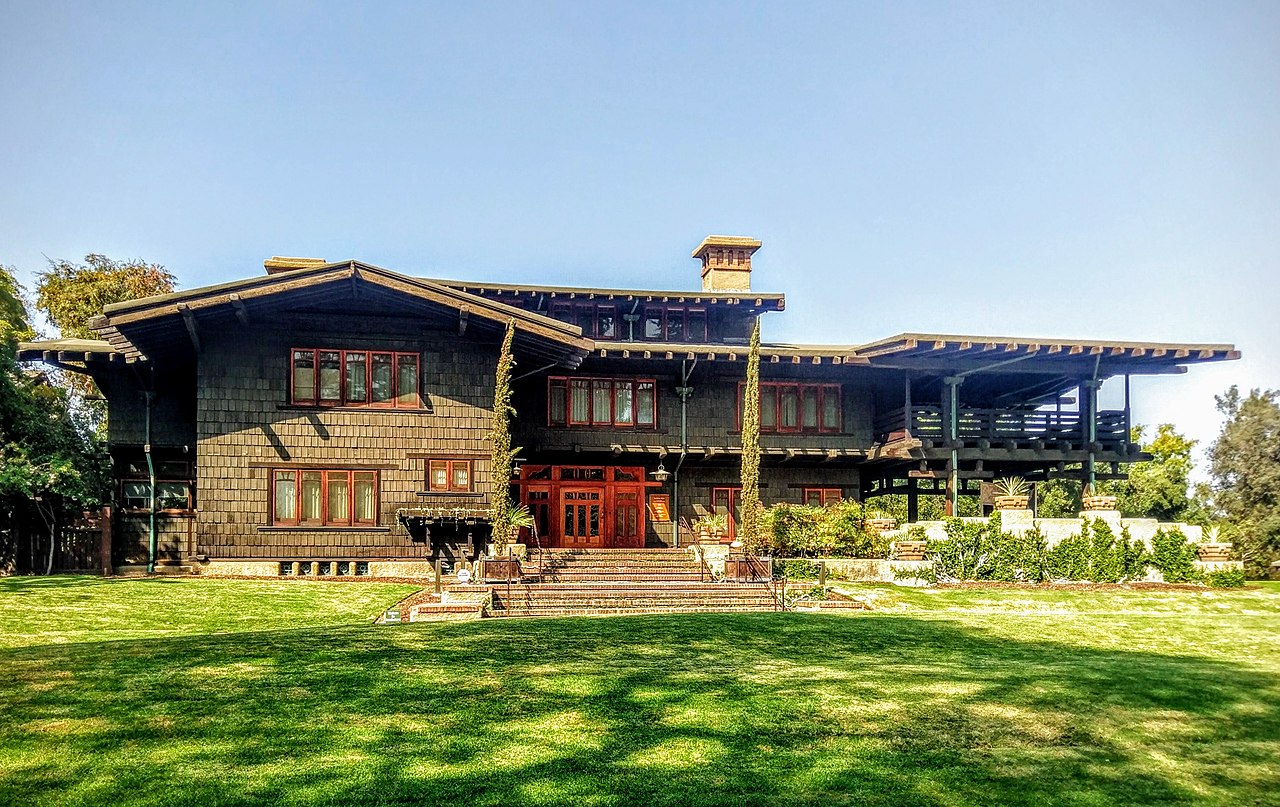
The story begins in 1893, at the World's Columbian Exposition in Chicago. Among the exhibits was the Ho-ō-den: a compound of three structures built by the Japanese government, inspired by the Phoenix Hall of the Byōdō-in in Uji, presenting traditional Japanese architecture to American eyes. Two young architects on their way to settle in Pasadena, Charles and Henry Greene, stopped to see it. Henry later said in an interview that the experience made a lasting impression on both of them. The actual design influence took longer — it was after Charles visited the 1904 Louisiana Purchase Exposition in St. Louis that Japanese ideas began appearing systematically in their work. But by 1908 they had developed a full architectural language: the dougong bracket, the cloud lift, the honest joint made ornament. They called their finest houses — all five of them — by the term scholars would later coin: the "ultimate bungalows."
The last of the five — the Thorsen House, completed in 1909 — stands at 2307 Piedmont Avenue in Berkeley. Two miles from campus. You can walk there.
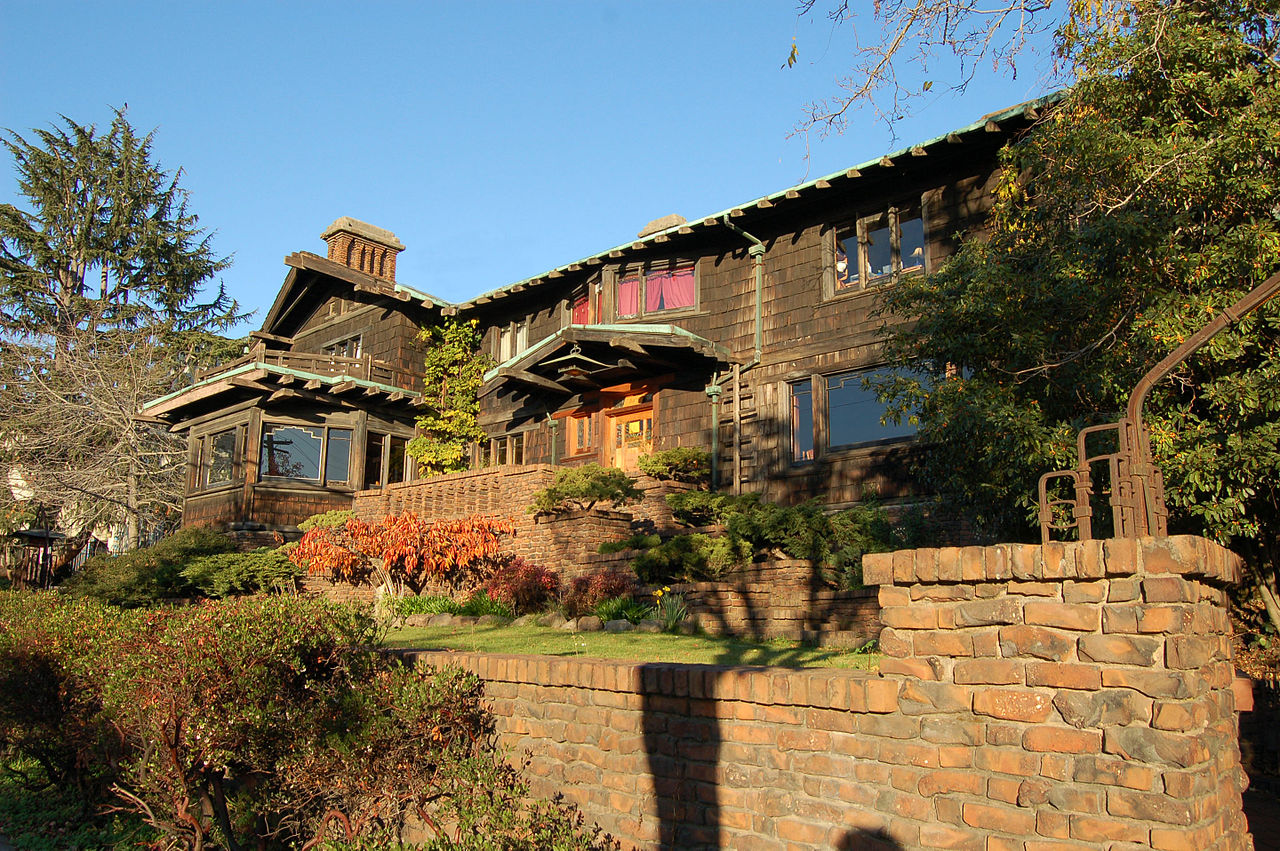
But the Greenes were not alone. Bernard Maybeck had arrived in Berkeley in 1892 — a year before the Chicago exposition — and from 1894 he taught architectural drawing and design at UC Berkeley, shaping a generation that included Julia Morgan and John Galen Howard, who would go on to formally found the Department of Architecture in 1903. Maybeck was working from the same instinct as the Greenes, but through a different route. His buildings — particularly the First Church of Christ, Scientist on Dwight Way, completed in 1910 — were formally eclectic: Craftsman, Byzantine, Gothic, Romanesque. What unified them was not style but philosophy. He believed that a building should not be imposed on a landscape but should belong to it. That the road should follow the hill, not cut through it. That a threshold between inside and outside should be a designed experience, not a practical hinge. These are not exclusively Western instincts. They are also, deeply, Japanese ones.
California and Japan share more than an aesthetic affinity. They share geology — both sit on the Ring of Fire, the same seismic belt running along the Pacific coast. This is not a metaphor. The dougong bracket — the interlocking wooden joint system that gives traditional Japanese rooflines their distinctive upswept form — is, at its root, earthquake engineering. Its capacity to dissipate seismic energy comes from controlled movement at the joint: rather than transmitting force rigidly through the structure, the interlocked wood absorbs it through deformation and friction. California's architects, building in earthquake country, found in Japanese structural logic something that European construction had never needed to develop. The fit was not accidental. The two coastlines face each other across the same ocean, share the same tectonic conditions, the same coastal light, the same reverence for wood as a living, responsive material.
What I found in Berkeley was that the exchange had already happened. Not as imitation, but as recognition — two traditions discovering, through contact, that they had already arrived at similar answers to similar questions. How should a house sit on a hillside? How should light enter a room? How should the space between inside and outside be held?
I came to Berkeley to study transnational architectural exchange. What I found was that the exchange had already left its mark on the hills, the houses, the particular quality of light through a wood-framed window. I walked past the Thorsen House. I visited the First Church on Dwight Way. I began to understand something that my research in Japan would later confirm: the buildings here did not feel like European buildings. They did not assert themselves against the landscape. They breathed. They sat with the hills rather than on them. A room did not need to be filled to feel complete. Proportion, light, and the honesty of materials were enough — more than enough.
This is what Japan had taught me, and what Berkeley confirmed: that a space does not need much to be habitable in the fullest sense of the word. It needs the right proportions, the right light, materials that speak honestly about what they are, and a threshold — between inside and outside, between one room and the next — that is designed with the same care as everything else. A room can be anything, if these conditions are right. Freedom in architecture is not the freedom to add. It is the freedom that comes from precision.
I did not plan to stay in California. I came as a researcher and I intended to leave. But Berkeley held something I had not anticipated — not only the intellectual argument I had come to study, but a quality of life, a culture, a light that I recognized from the inside, even though I had never lived here before. I have been asked, since, what made me stay. The honest answer is that I did not fall in love with a person. I fell in love with the Bay Area — with its particular way of being in the world, its openness to outside influence, its willingness to fuse what came from elsewhere into something entirely its own.
The question I came to study is still the question I bring to every home I work on. What does this space already know? What has this place already understood about how to live? The answers are rarely where you expect to find them — and the search, as my advisor inadvertently taught me, is always better conducted from a position of genuine distance.
"Her Japanese-influenced approach feels perfectly in tune with the spirit of the Bay Area." Jan Sturmann — Carpenter, Berkeley