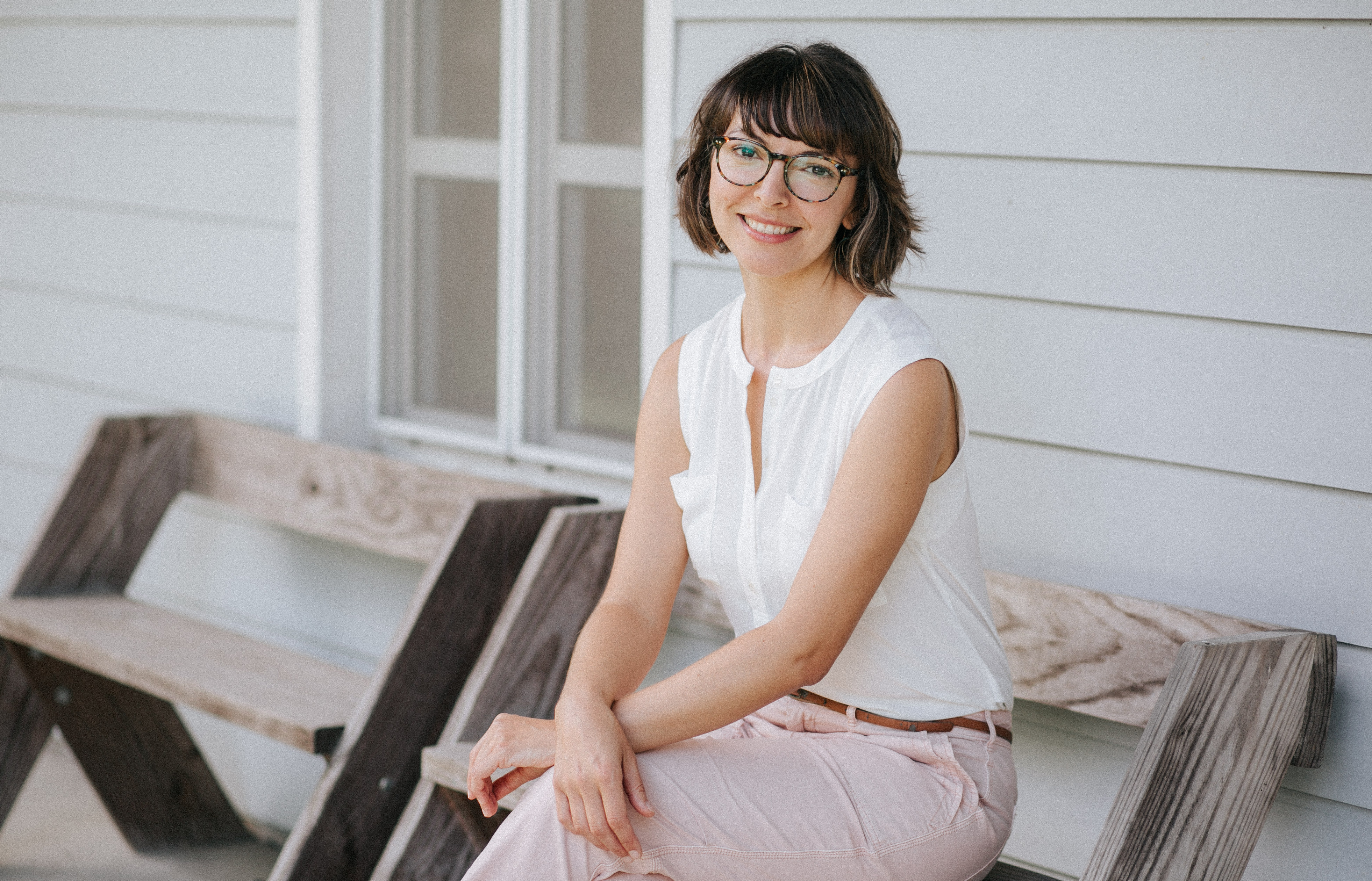
There is a moment — sometimes quiet, sometimes sudden — when your life begins to move in a new direction, and your space is ready to move with it.
You feel it before you can explain it. A shift in how you inhabit a room. A sense that something new is asking to take place.
And the home becomes part of that transformation.
When I enter a home ready for transformation, I begin with the structure — the bones of the house. Structure defines proportions, and proportions define possibilities. Some spaces open easily to change. Others invite more precise interventions. Understanding this difference early creates direction.
From there, I observe how the space moves: how light enters and travels, how air circulates, how one room relates to another. I notice transitions — places where movement pauses, where proportions shift, where light softens. These are the subtle energies a space carries. The body perceives them before language forms.
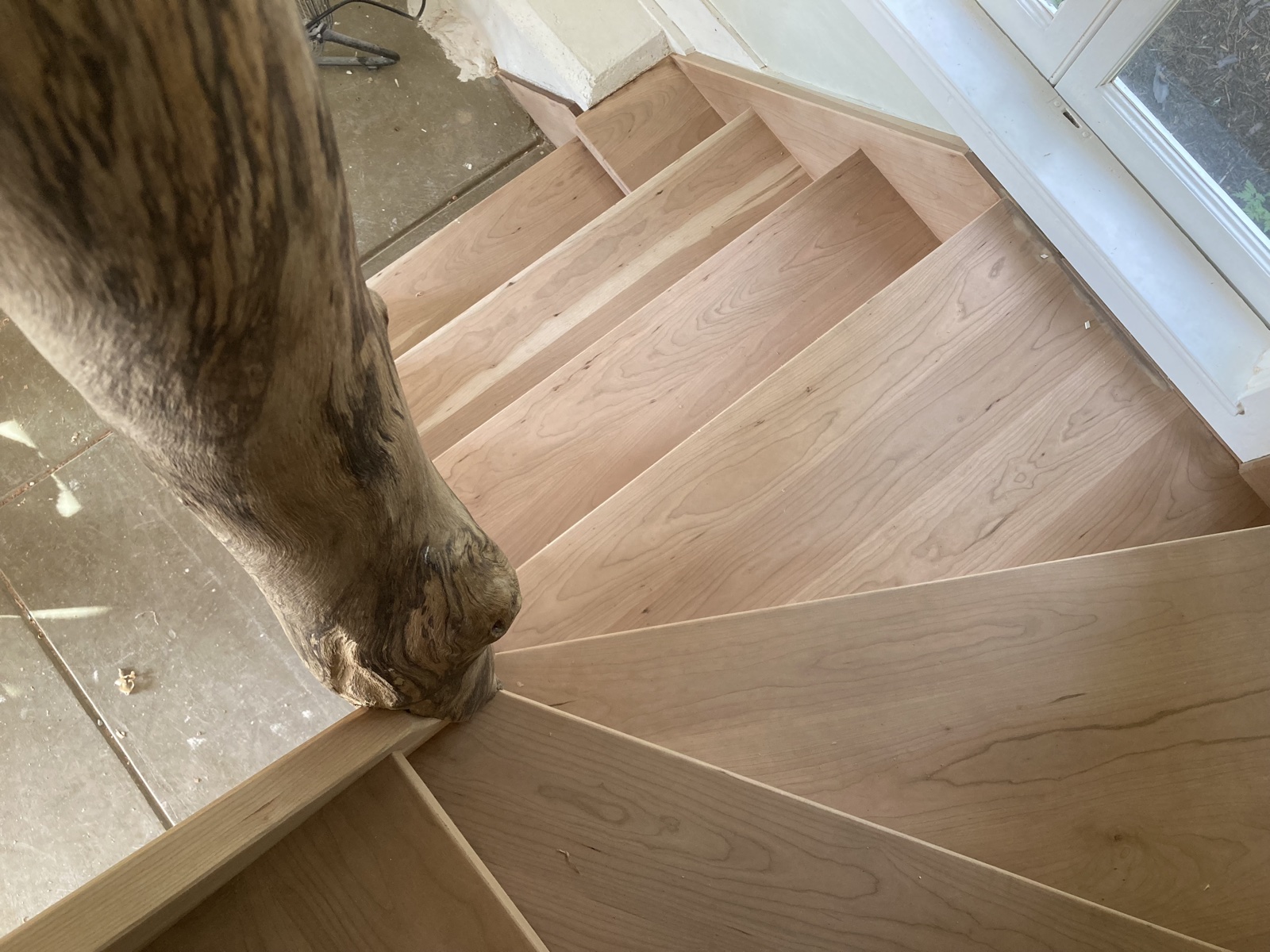
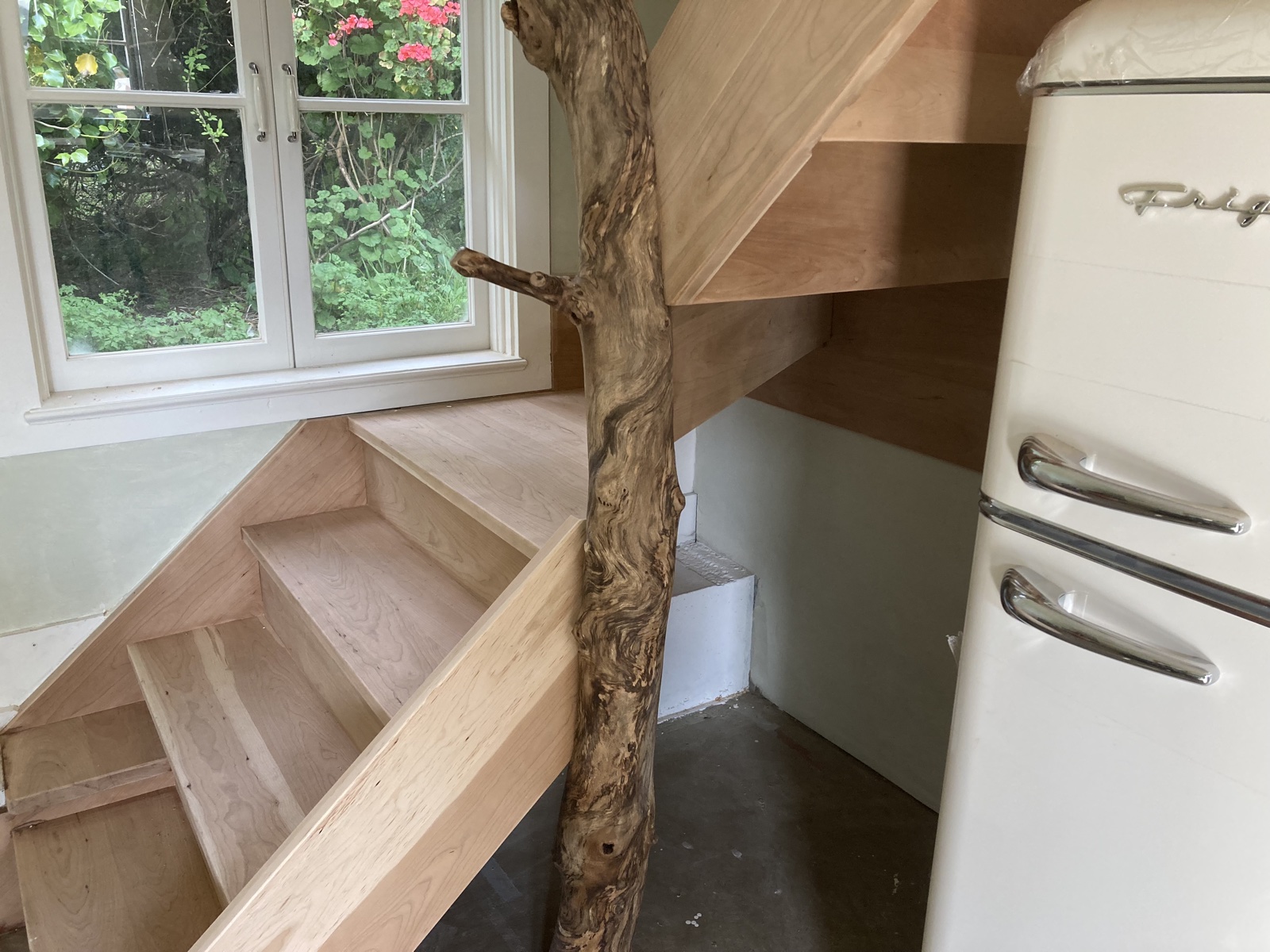
When a baby arrives, the house expands in a way that feels immediate and alive. What once felt contained becomes dynamic. The baby is everywhere — in the living room, in the bedroom, in the kitchen. A new presence, fully integrated into every part of daily life.
I know this through my own experience, as well as through my clients. A baby transforms everything — and the opportunity lies in integration. In creating a space that holds this new life while sustaining calm and beauty.
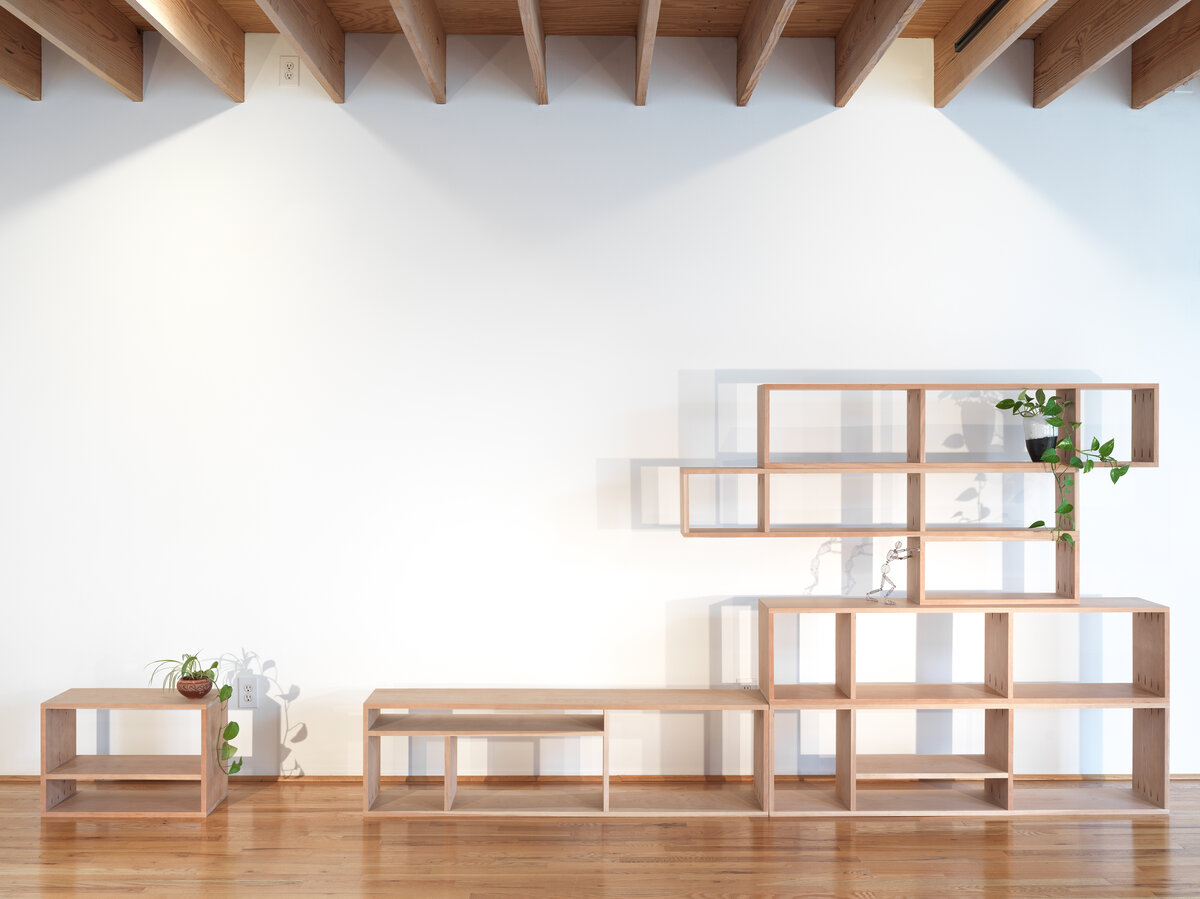
Storage becomes essential, yet it becomes more than function. It becomes part of the atmosphere. A bench that holds. A shelf that breathes. A surface that evolves with time. Materials take on new meaning. A home begins to think forward — supporting growth, movement, and discovery.
When children leave, the house becomes quiet in a new way. And within that quiet, the space reveals itself. Movement shifts, and the structure of the house becomes visible in new ways. Corners gain presence. Proportions become clearer. Light defines the space differently.
This is a moment of return. The house becomes available again — ready to align with who you are now. A room can transform. A sequence can open. The entire space can be understood through a new lens.
In a separation, the transformation becomes deeply personal. The house holds memory, and within it, an opportunity emerges — to redefine the relationship between space and self.
I worked with a client in Kensington who had recently gone through a divorce. Many voices around her suggested leaving the bedroom behind, starting elsewhere. Instead, we chose to transform it. We shifted the orientation of the bed, introduced a new rug, a new color, and reoriented how light entered in the morning. The gestures were precise and measured. The room evolved — and with it, her sense of ownership. It became hers. And in that shift, a new beginning emerged — grounded, present, and fully embodied.
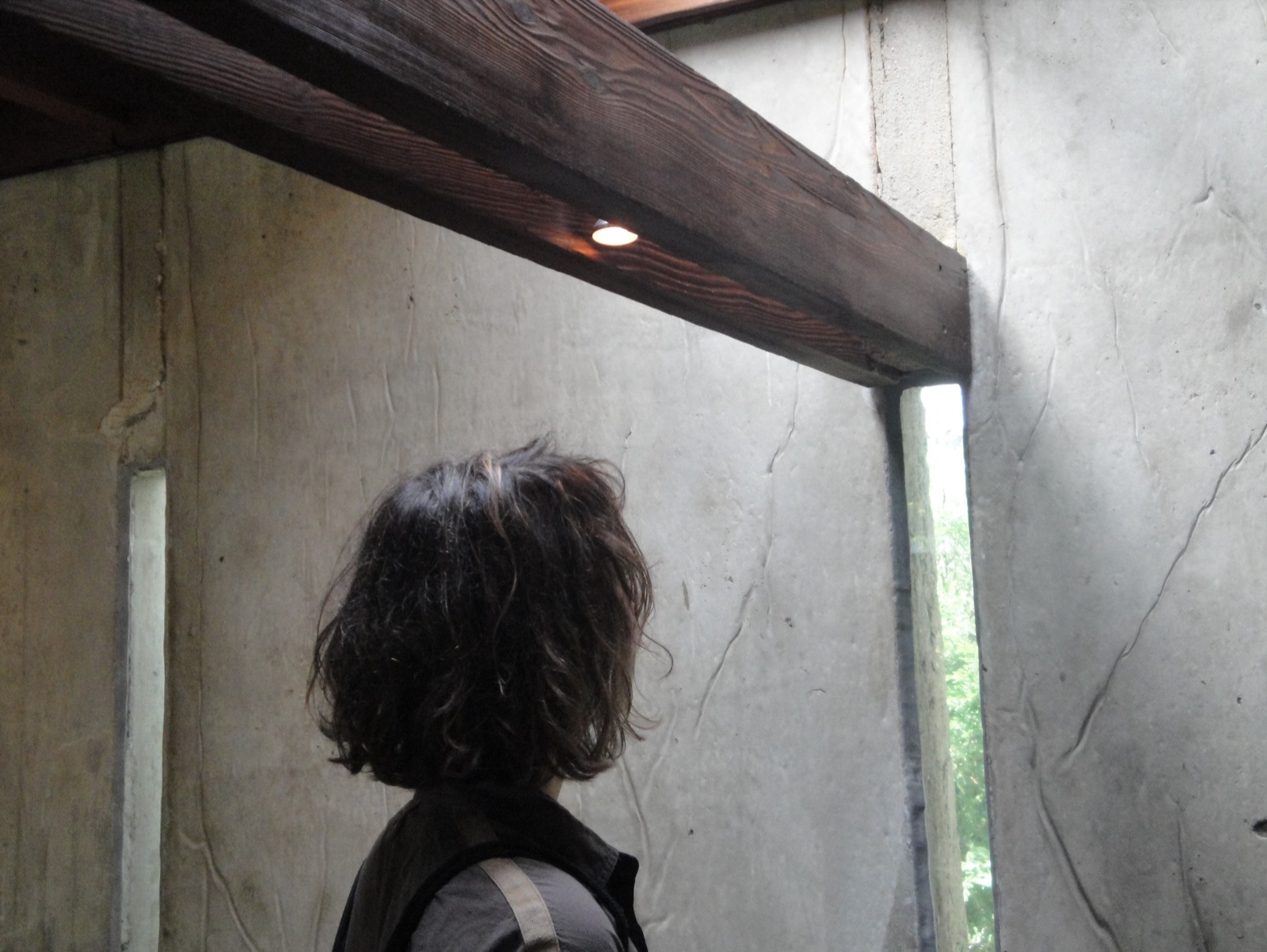
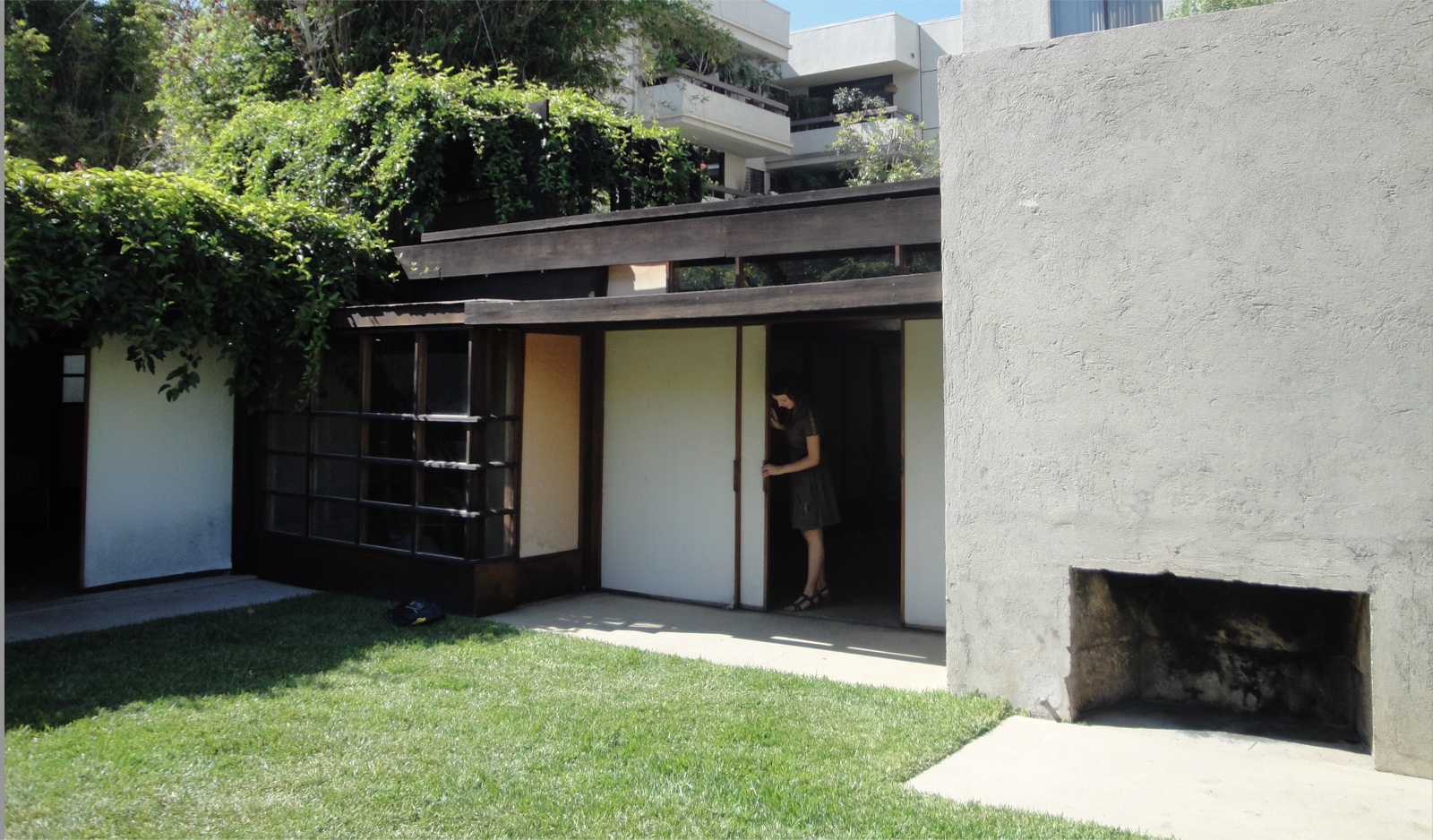
I think often of the Schindler House in Los Angeles — designed in 1922 by Rudolf Schindler as an experiment in communal living. After he and his wife separated, they continued to share the house. The design offered distinct wings, separate patios, independent territories within a shared structure. Two lives, unfolding in parallel, held by a single architecture. Close, yet autonomous. Connected, yet free.
A home, when understood deeply, can hold multiple versions of a life.
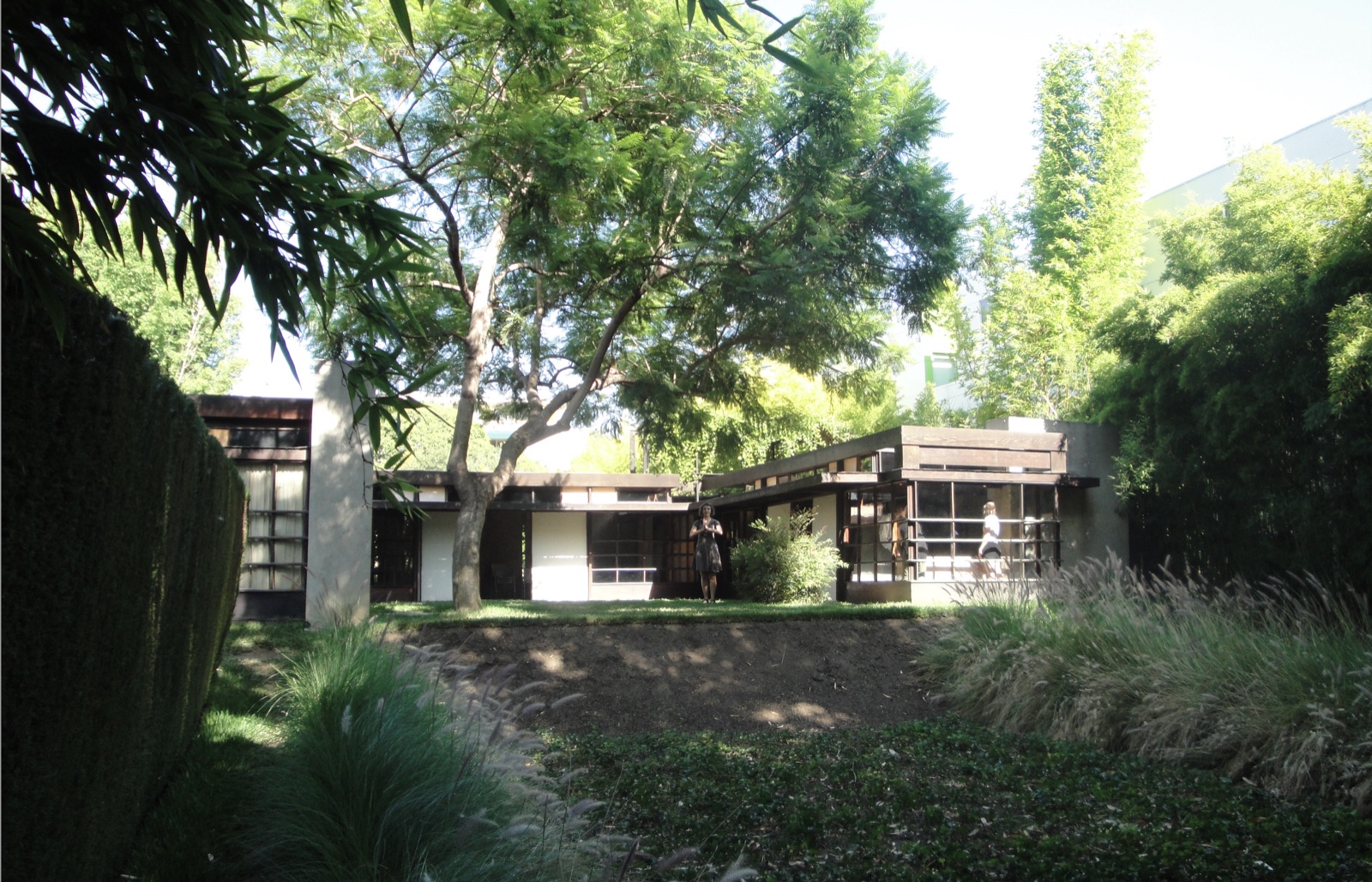
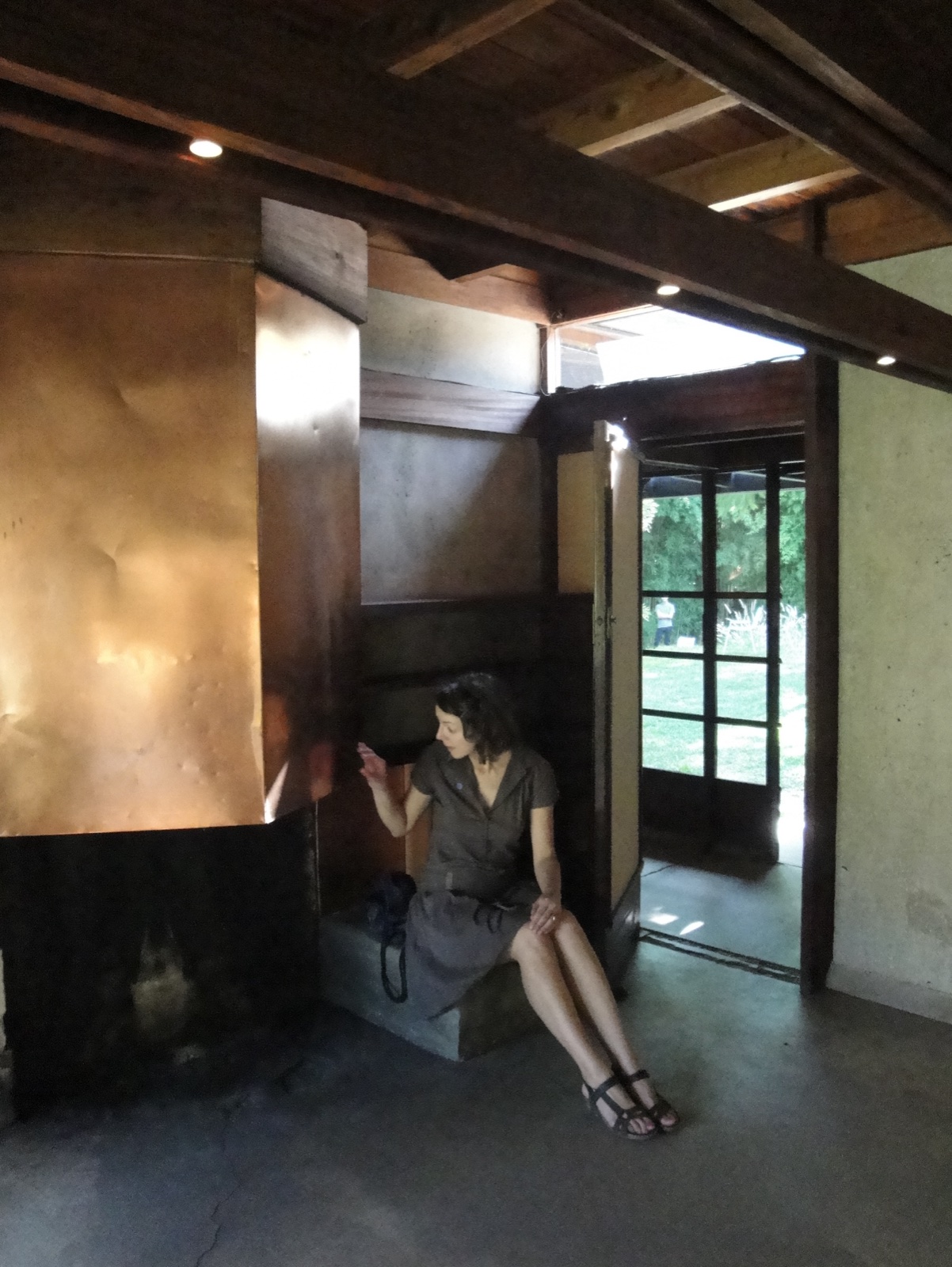
When work enters the home, a new layer of life appears. The instinct is often to place a desk where space allows. Yet the opportunity lies in creating a dedicated condition. A space within the space.
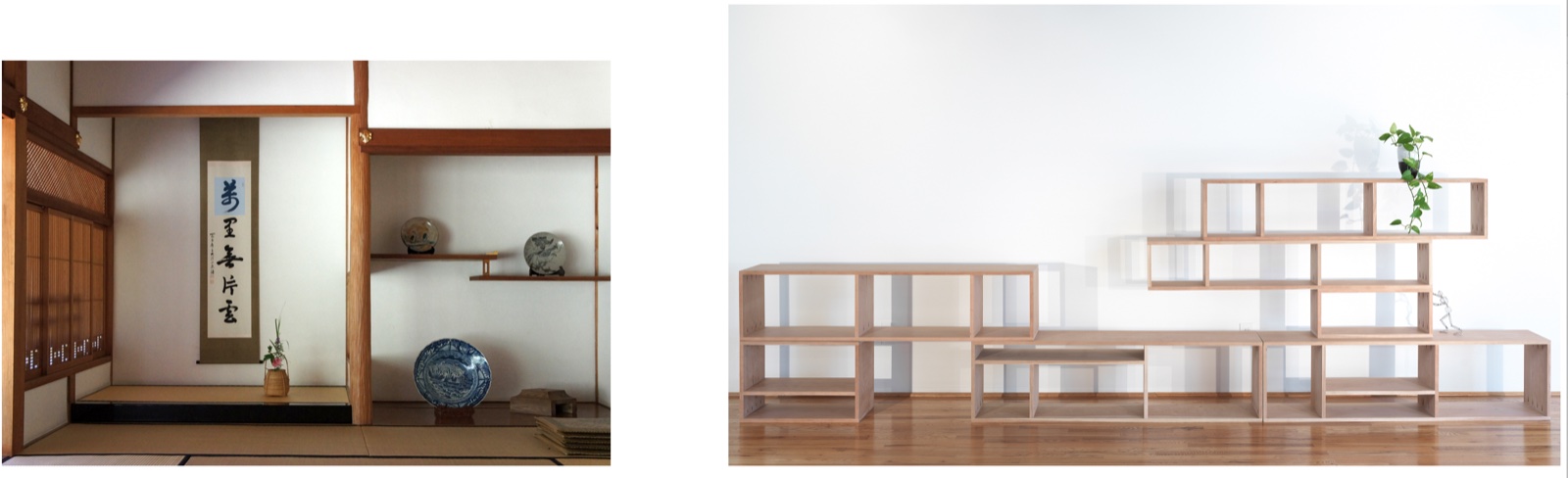
In Japanese architecture, the concept of Ma — 間 — describes the charged interval between things. A meaningful pause, full of potential. In architecture, this appears through subtle gestures: a step, a shift in material, a change in light, a beam crossing a space. These are invisible lines — boundaries the body understands instinctively.
This is how I approach work within the home: through orientation, light, and material. A condition that allows clarity. Where focus lives, and where rest lives. The space becomes continuous, yet balanced.
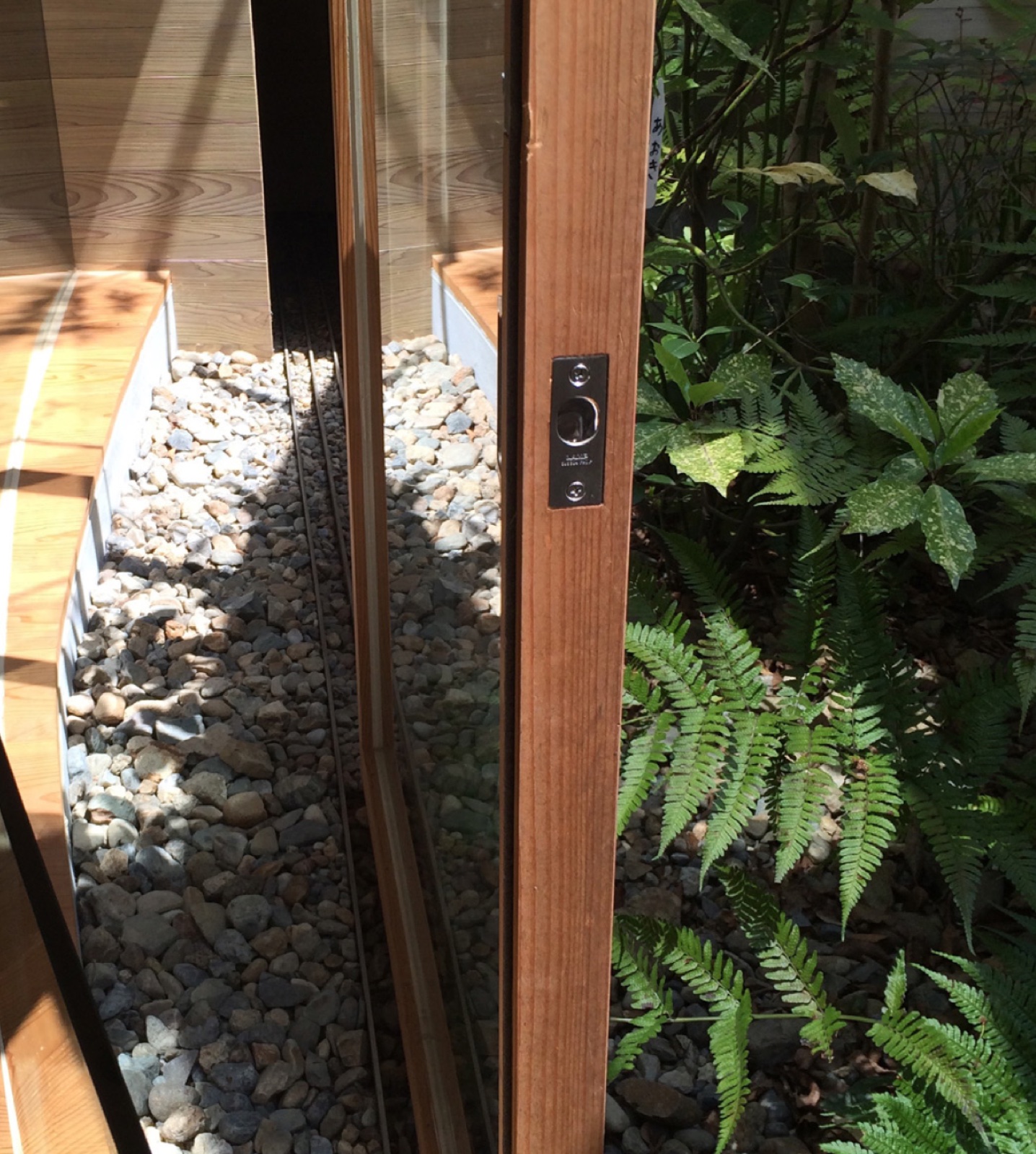
I also consider what surrounds the home — the garden, the vegetation, the relationship with the outside. These connections become especially meaningful during moments of transformation.
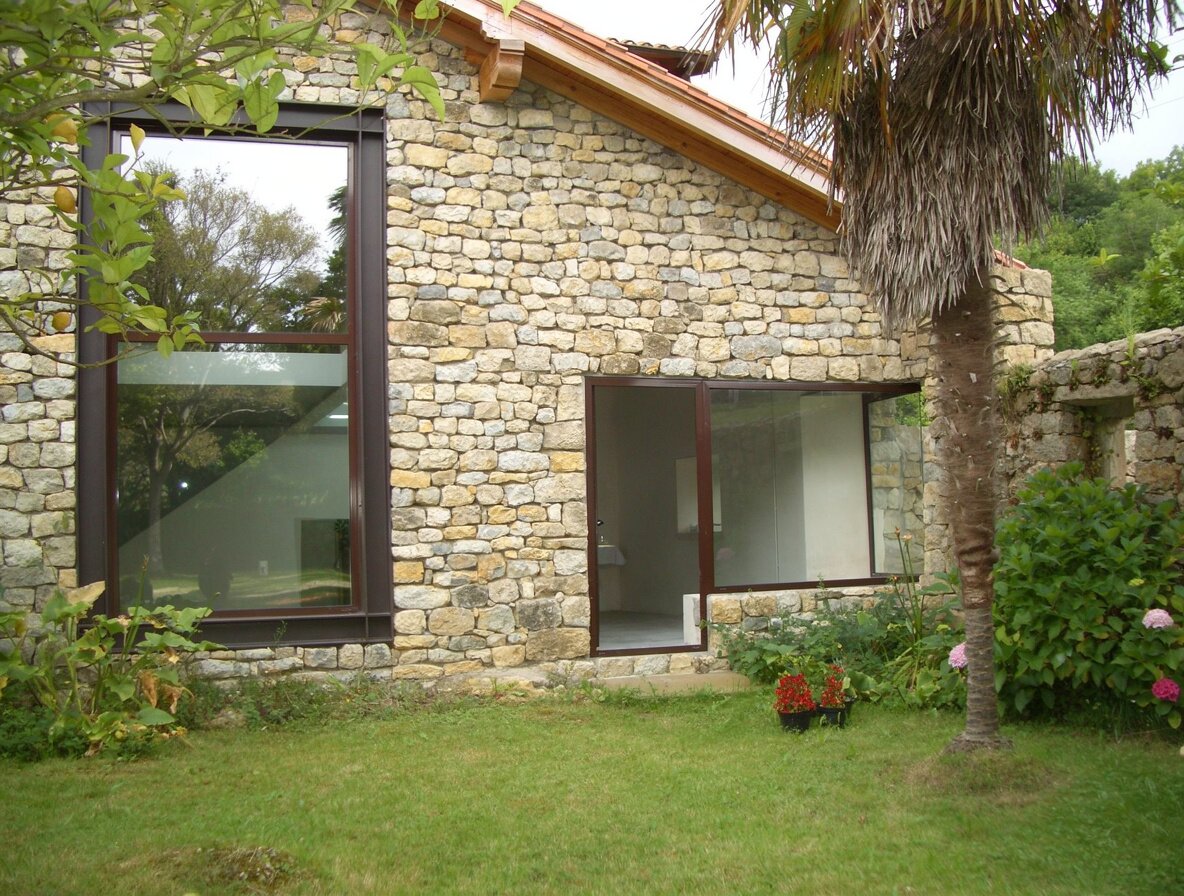
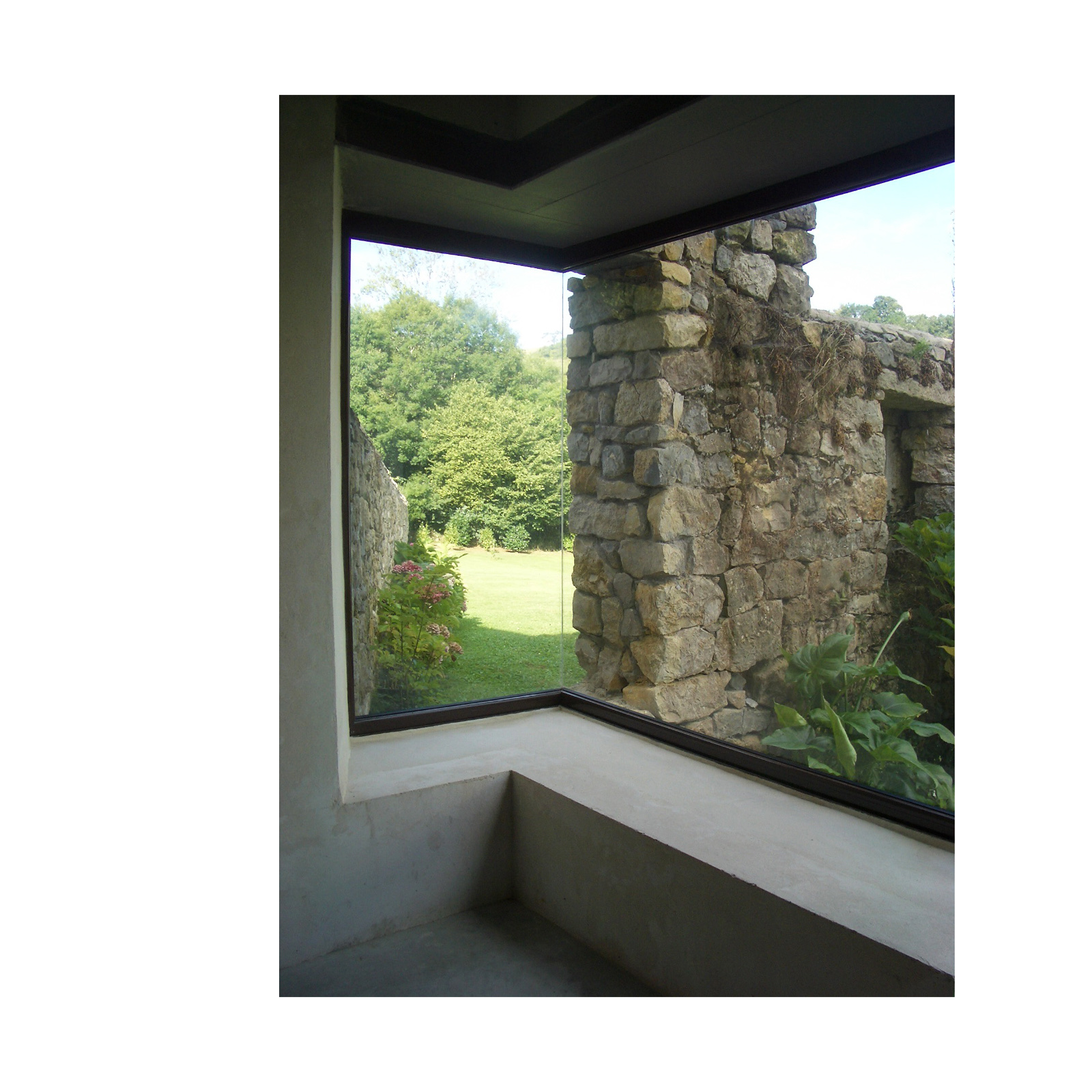
In a project in rural Spain, I transformed a former stable into an artist's studio. The structure was old — stone walls, thick and protective, built to shelter animals from cold and rain. The challenge was to introduce light and open a relationship with the outside, the value in a gloomy climate. To create an inside in constant dialogue with the outside.
Large windows were cut into the stone to frame what was already there — the garden, the ruins, the wild vegetation. The result was a space that breathed differently depending on the hour, the season, the weather. The transformation revealed that space can shift its purpose entirely through its relationship with the outside.
A home can carry memory, and it can also expand into what comes next. Through careful transformation, it becomes a space that supports evolution — a space that reflects who you are becoming.
When life changes, the home evolves with it. That shift — subtle, spatial, and precise — brings clarity, energy, and a renewed sense of presence. The feeling that something new has already begun.