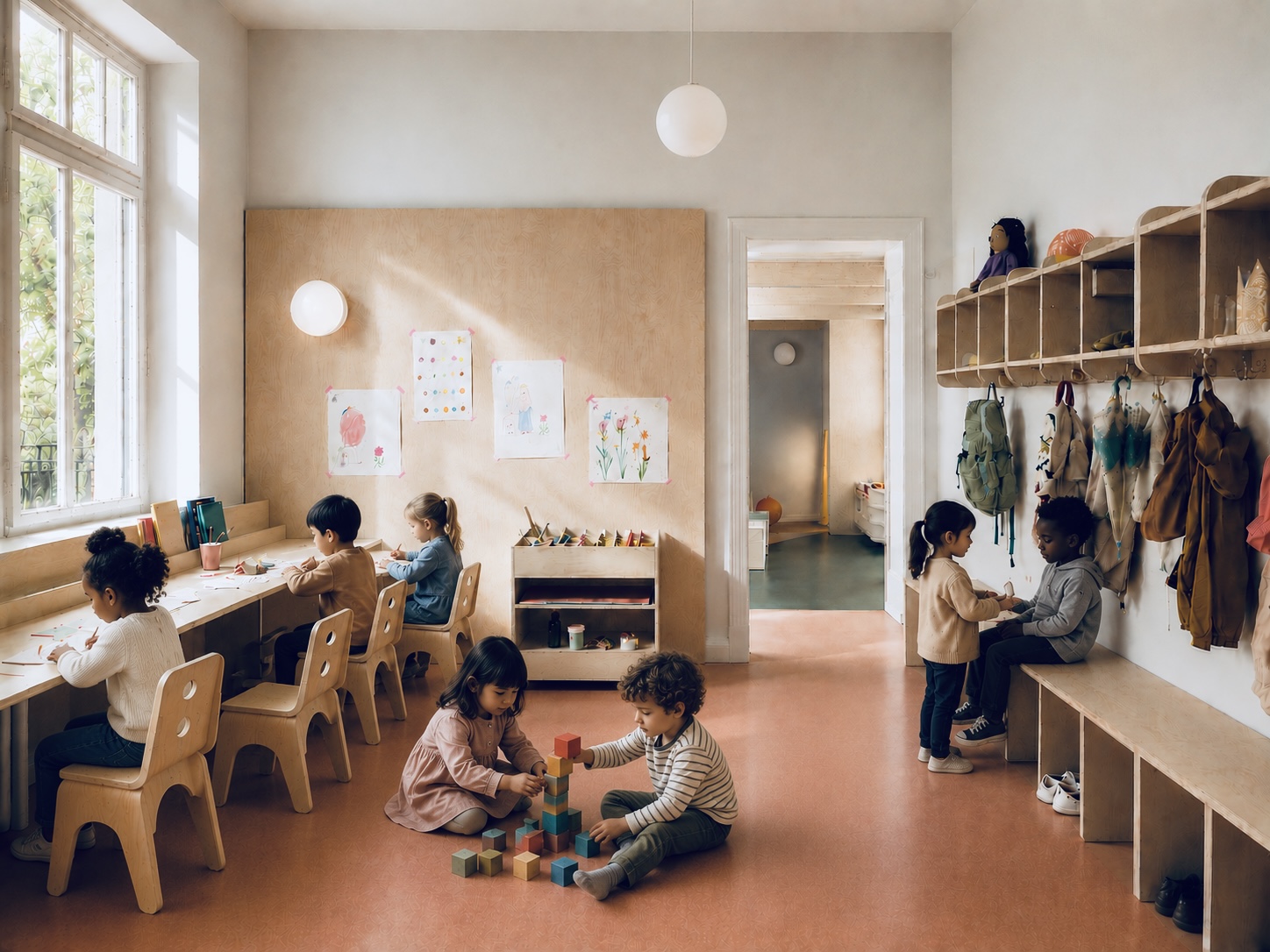
Children learn from spaces every day.
Before a child learns from a teacher, they learn from the world around them. Light, movement, materials, nature, and the organization of space all shape how children explore, focus, relate, and grow.
Book a free conversation →
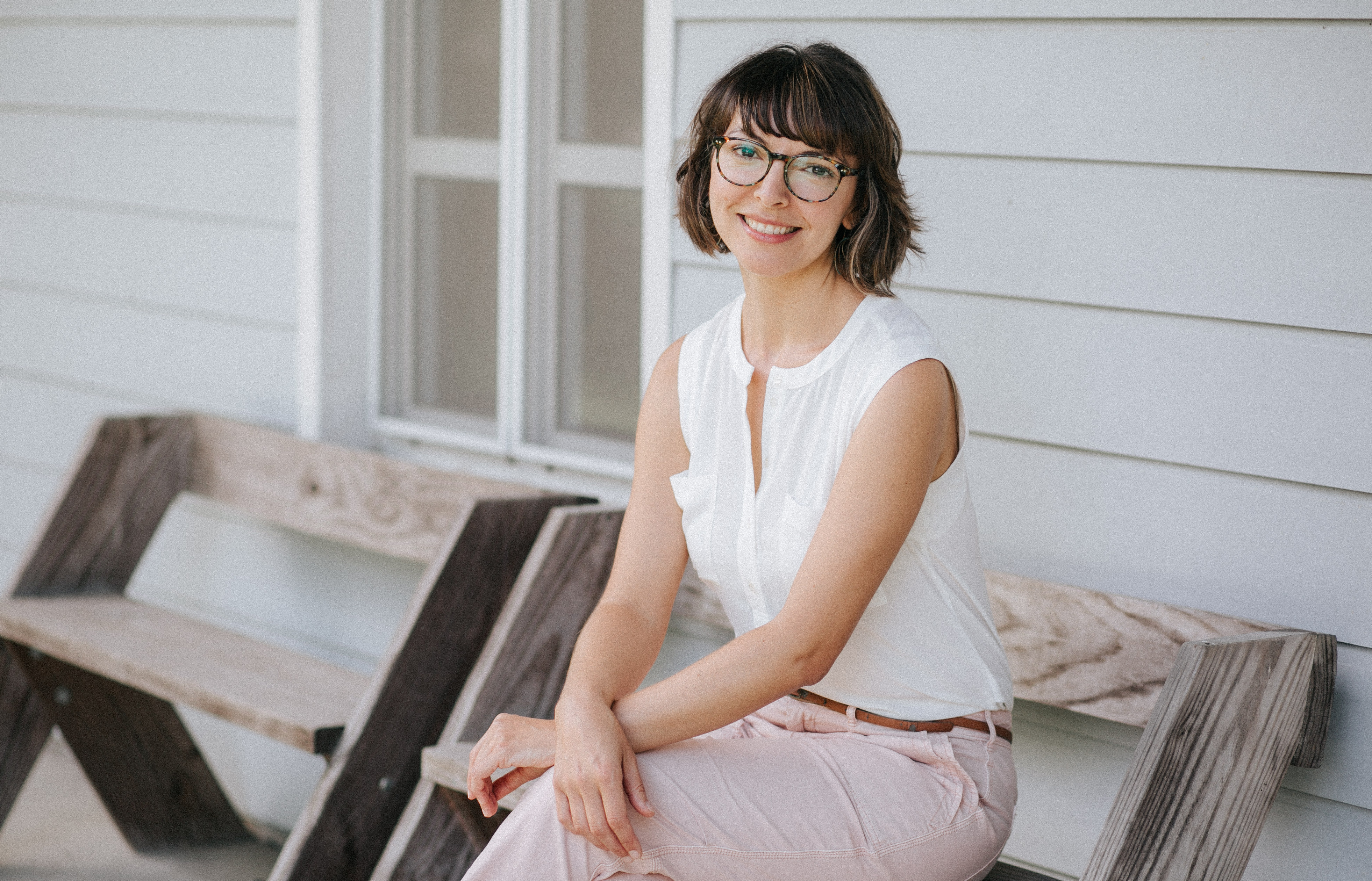
I am Marta, a PhD architect, Learning Environment Design Advisor, and mother.
For more than twenty years, I have studied how the built environment influences children's development and family life. I have designed schools, libraries, homes, and custom furniture, and carried out research in Spain, the Netherlands, Japan, France, and the United States.
Today, I work with families, childcare centers, and schools to transform homes and learning environments into places that support children's independence, curiosity, movement, wellbeing, and joy.
The environment quietly shapes how children move, focus, make choices, relate to others, and understand themselves.
A thoughtfully designed space offers independence without demanding it, movement without chaos, and opportunities to explore without constant adult direction.
Children learn by moving, building, imagining, touching, dancing, observing, and playing.
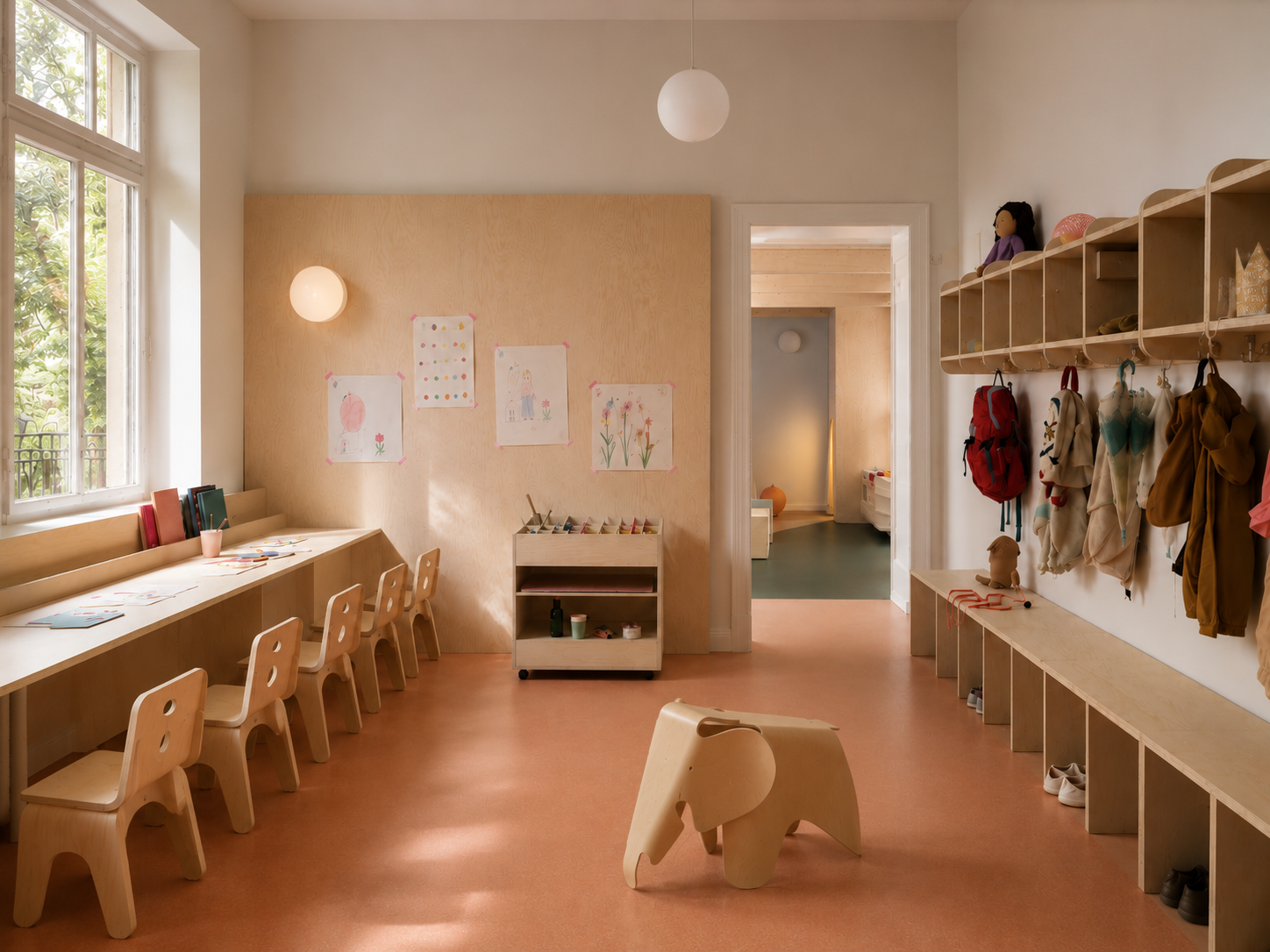
Flexible furniture, child-height elements, open-ended materials, quiet niches, and generous areas for movement allow children to choose how they engage with the world around them.
Play is not separate from learning. It is one of its richest forms.
Daylight, fresh air, natural materials, changing shadows, trees, birds, texture, proportion, and color influence attention, emotion, belonging, and wellbeing.
Drawing from neuroaesthetics, I create environments that feel stimulating without becoming overwhelming.
Children grow, so their spaces should evolve too. Movable elements, adaptable layouts, rotating objects, and small moments of surprise keep the environment alive.
I work with families, daycares, schools, libraries, and early childhood programs to improve the spaces children use every day.
"Every day felt busy and overwhelming. Dr. Marta changed the way our daycare feels. It's calmer, more joyful, and better for both the children and for us."— Teacher, Corazones Daycare, San Francisco
The spaces children inhabit influence how they play, learn, relate to others, and understand themselves. Thoughtful design creates the conditions for curiosity, independence, connection, and joy.
Let's create a better place to learn →