I remember the first time I went snorkeling. It felt like entering a surreal museum. Fish moved through the water with yellow and purple at the same time—colors I would never have imagined placing together, yet there they were: precise, balanced, alive.
I was fascinated.
That experience made me realize that color begins in nature, in the way things belong together without effort. In how green meets blue, in every flower, in the feathers of exotic birds, in combinations that feel unexpected and yet completely right.
There is an intelligence in color that exists before we try to understand it. It doesn't follow the rules we are taught, yet everything feels connected. Everything responds to something else.
That was my first lesson in color.
My architectural education led me somewhere very different. White was understood as elegance. Only white. Clean surfaces, controlled materials, metal, concrete. Spaces reduced to their minimum expression, where every element was carefully restrained.
Color appeared later, through art, carefully placed on top of those surfaces. Even then, within limits. Maybe some blues, something contained. Never warm tones. Never orange, red, or pink. In architecture school, we were even asked to dress in black. Black or white. No patterns. No flowers.
At the time, it felt correct. Refined. Disciplined. There was a sense of control that seemed aligned with precision. But in the body, it felt distant. It was an architecture responding to another moment in history, emerging after the wars, focused on solving problems, on efficiency, on clarity. Over time, it became an architecture that spoke more to architects than to people. It lacked a certain closeness, a certain warmth, a sense of the human that is harder to define but easy to feel when it is missing.
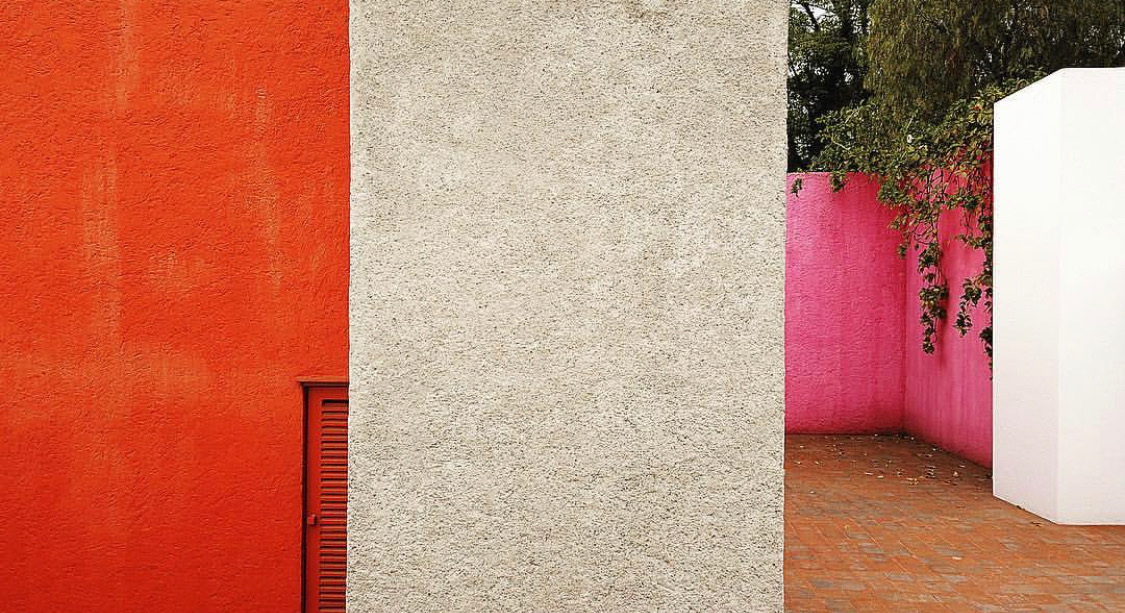
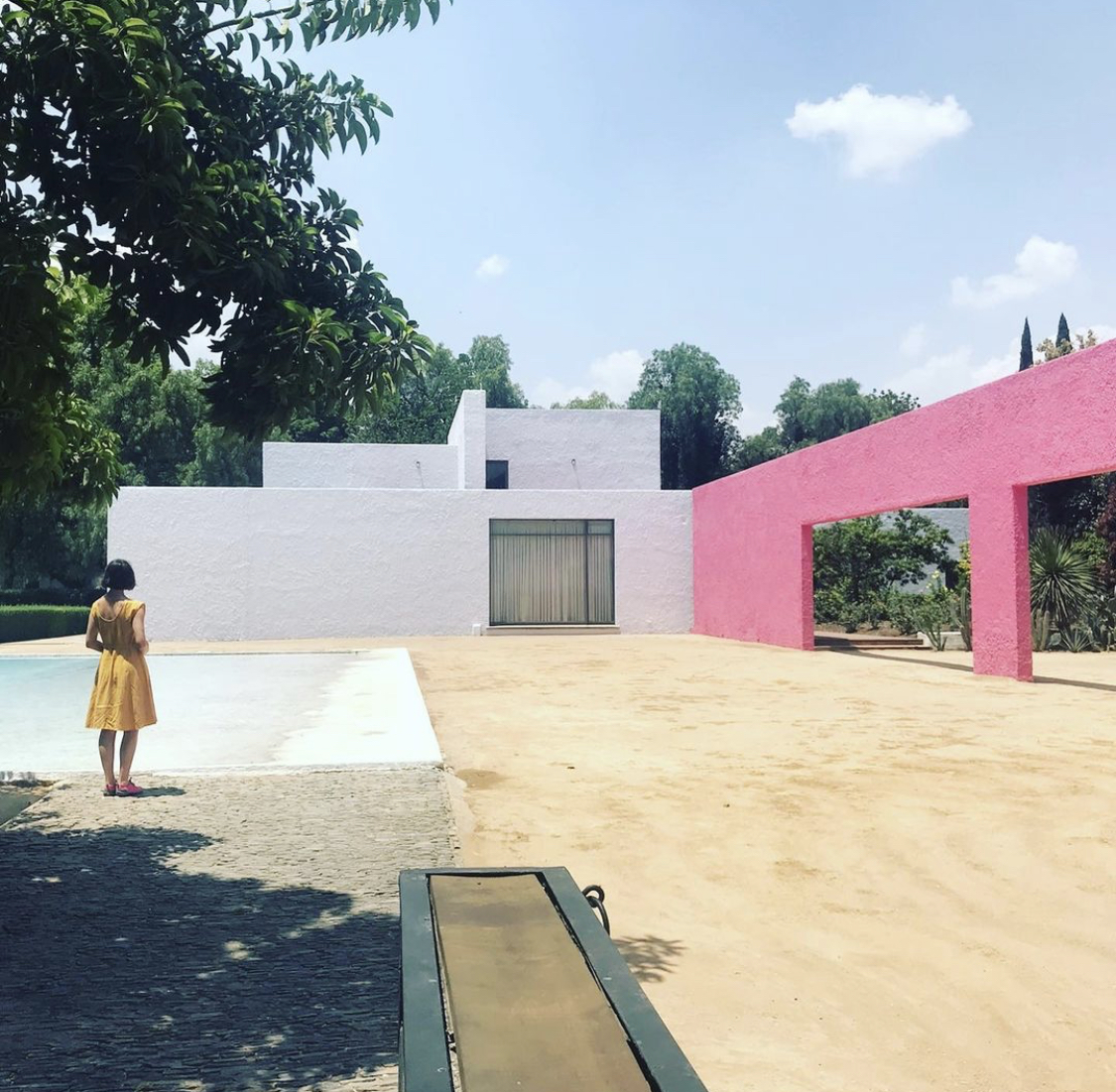
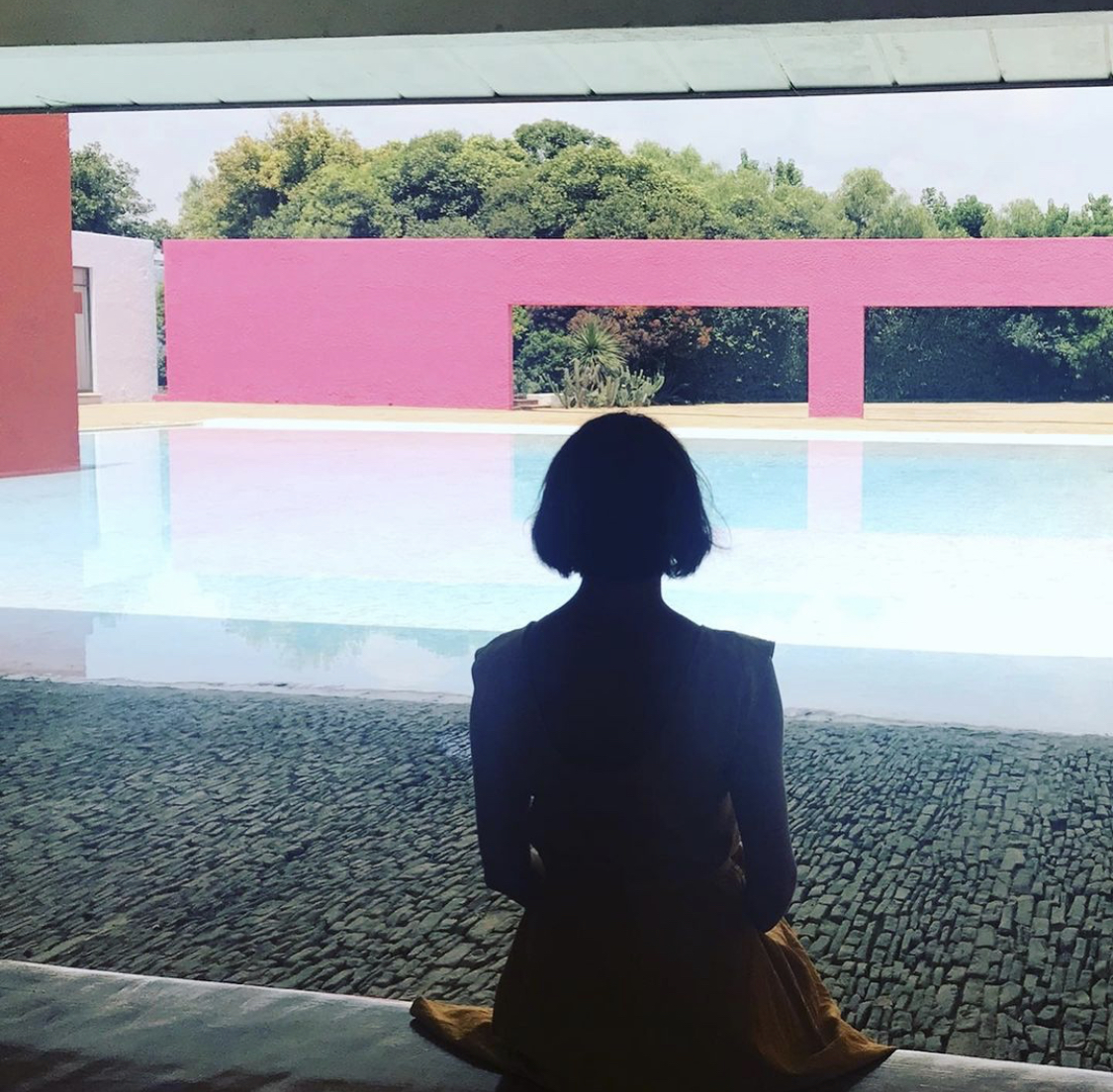
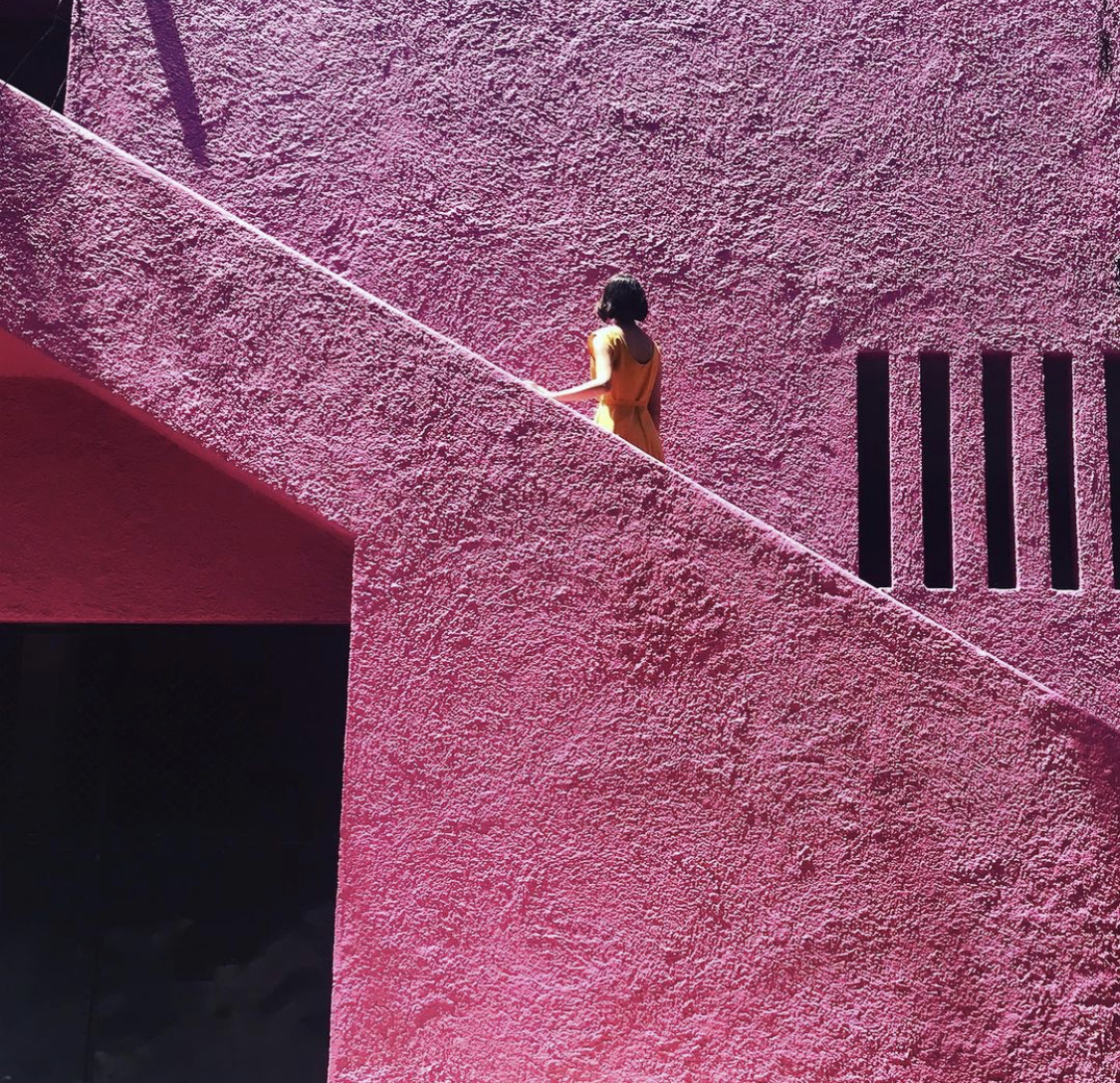
Mexico changed something very deeply for me. I remember visiting La Cuadra by Barragán. It felt like entering a parallel universe, almost like a paradise. At the entrance, the fountain, everything in that intense pink. I was wearing a mustard yellow dress, and somehow it worked perfectly. It felt like a dance between my body and the space.
The colors were vibrating with the sky and the vegetation. The pink was not isolated. It was in relation to the light, to the shadows, to the texture of the walls, to the water reflecting it. The air itself seemed to carry the color.
As I moved through the space, I became aware of how the color was guiding the experience. It was not only visual. It was spatial. It was emotional. It affected how long I stayed, where I paused, how I perceived distance and proximity.
For a moment, it felt like living a completely different life, as if I had stepped into another reality. Time felt slower, more present.
The space was asking to be felt.
What I understood there was something I had not been able to understand through images. Color was not something added. It was shaping the experience. It was affecting how I felt time passing. The space was taking me to a different realm, a sense of paradise on earth.
There was a moment, particularly during the 1960s and 1970s, when color returned to architecture, bringing a humanistic dimension that transcended modernity. It shifted from individual objects to the environment. In the work of Verner Panton, particularly in installations such as Visiona, color shaped the entire spatial experience. Designers like Ettore Sottsass, and architects such as Eero Saarinen—for example, in the iconic red interiors of the TWA Flight Center at New York's JFK Airport—explored color as an immersive, almost futuristic experience, where surfaces, furniture, light, and atmosphere worked together. The body moved through color as much as through form.
Later, Thailand expanded that understanding. There, color was everywhere, in an exuberant way. It was part of everything. I remember especially the moments around the flower offerings in the water, in the sea. The colors floating, moving, dissolving into the surface of the water.
Color was present in the rituals, in the food, in the temples, in every detail of daily life. In fabrics, in objects, in the smallest gestures. It was not curated in the way we understand design. It was alive. Collective. Continuous.
There was no separation between architecture, objects, and life. Color moved across all of them, connecting everything.
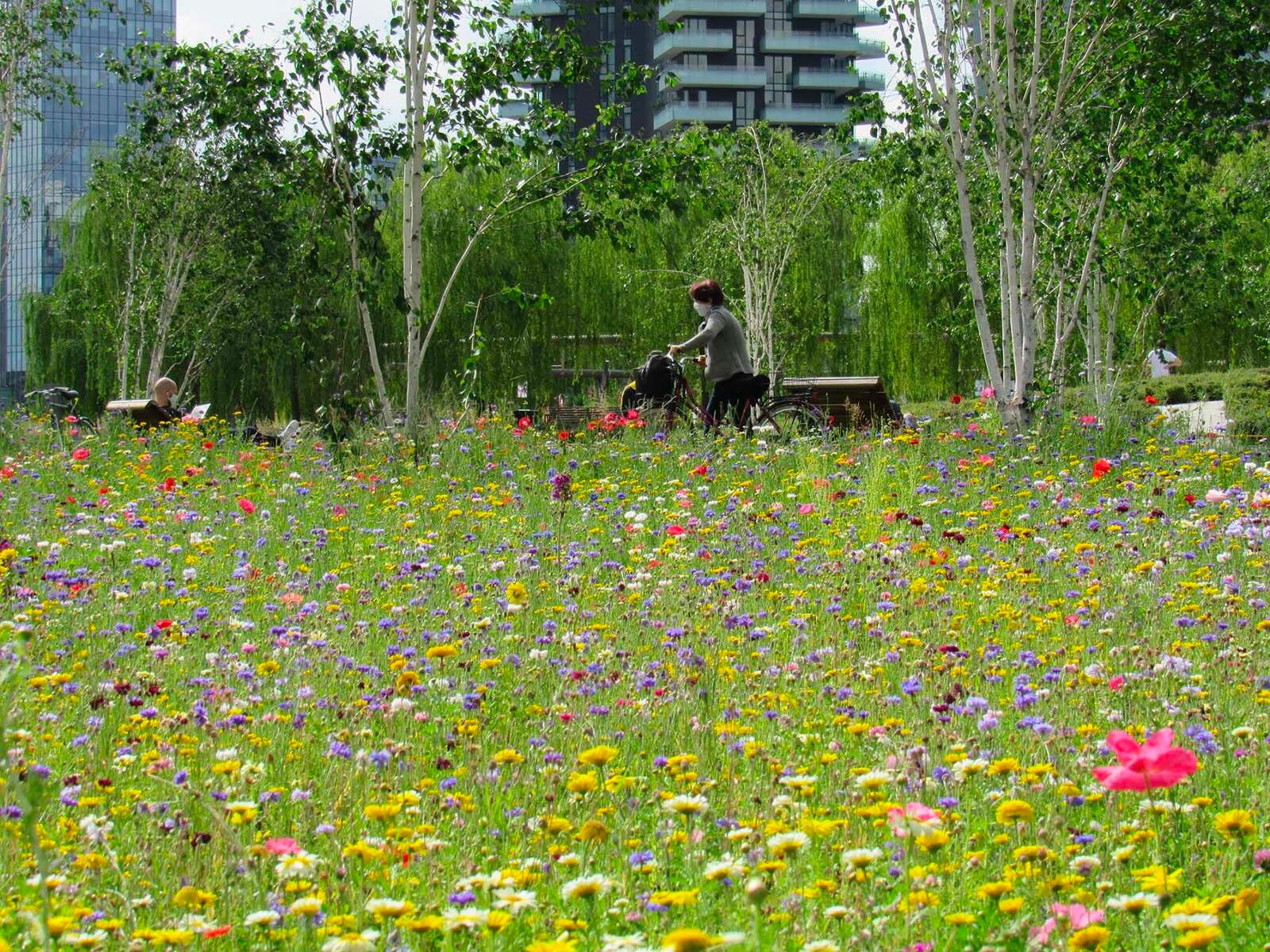
When I came back home, I saw my space differently. Even though I was surrounded by art, something was missing. My house felt almost grey. Not literally, but in its energy. The surfaces were quiet in a way that did not feel calm. More like muted, held back.
That was the moment I began to introduce color in a more radical and architectural way. Through paint, reconfiguring surfaces, painting furniture and walls, working in relation with the art, but also beyond it. I began to think of color as something that belongs to the space itself, not something placed on top of it.
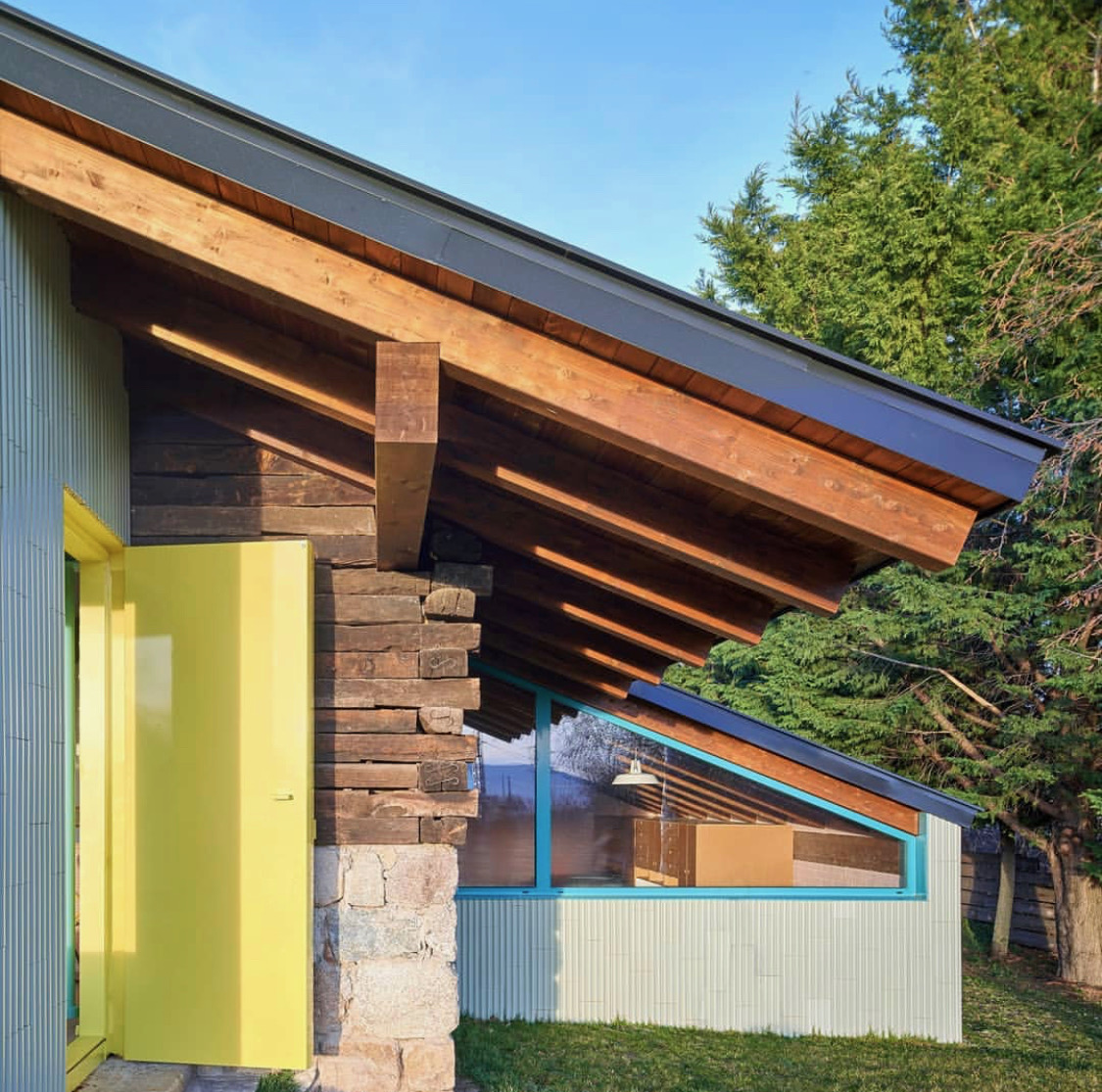
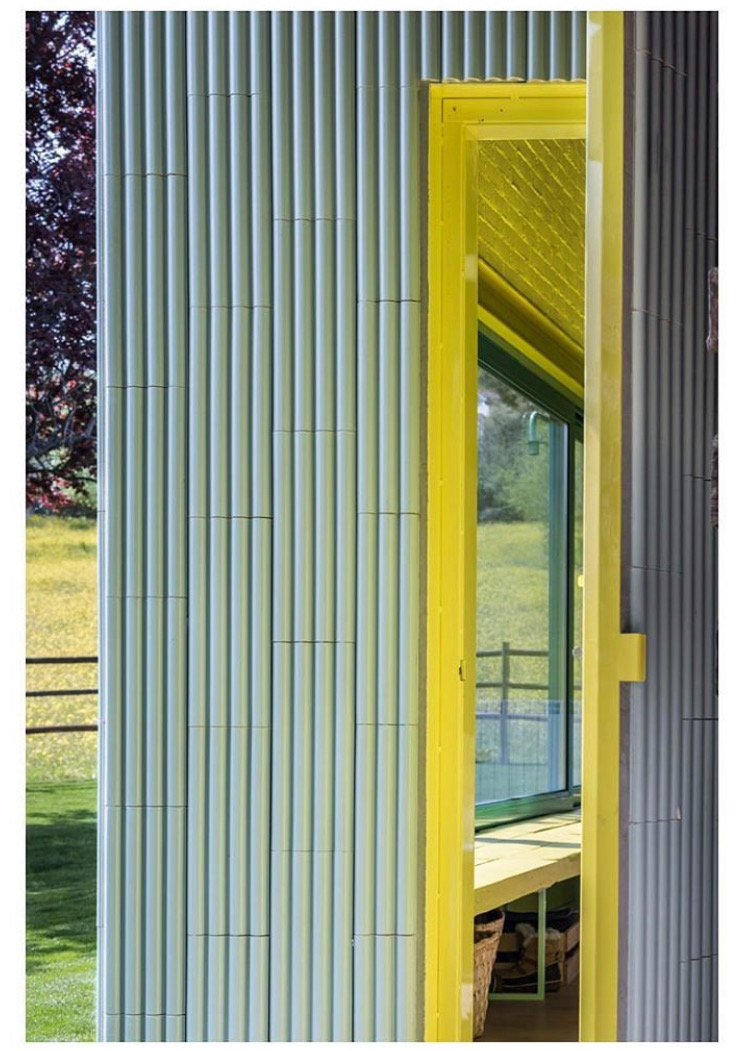
I would look at a wall and ask what it needed. Not in terms of style, but in terms of balance. I would consider how the light enters, how it moves during the day, how it touches that surface.
I painted furniture to integrate it into the spatial composition. I adjusted tones so that one color would support another, rather than compete with it. I began to work with textures, understanding that color changes depending on the material it sits on.
Color, for me, became something I work with at every scale. Not only in architecture, but in everything. Almost like developing an expertise in choosing color, in understanding what color belongs where, what color supports a certain way of living.
Color is about relationships. One color next to another. Color in relation to light, material, and movement. I learned that from the painter Rothko.
The change in the house was immediate. One color began to relate to another, creating vibration. The space no longer felt muted. It felt alive.
Light entered and began to move across the surfaces, touching the colors, shifting them throughout the day. In the morning, the tones felt softer. In the afternoon, more saturated. In the evening, deeper, more contained.
Shadows from the trees came through the windows and layered over them. The movement of the leaves created a subtle animation across the walls. Everything started to respond. The house was no longer static. It was dynamic.
The space began to feel like a small universe, a personal landscape. This was also deeply connected to creating a space for children. A place that feels joyful, alive, full of energy. Color brings that. It allows the space to be more open, more engaging, more generous.
Children respond immediately to color. The space supports imagination, play, curiosity.
Over time, this became very clear to me. Color works directly with the body. What we perceive visually is processed together with emotion, shaping how we feel, how we focus, and how we move through space. The environment is constantly interacting with us, even when we are not aware of it. Color becomes part of that relationship.
It works in relation to light, to material, to proportion. Always in relation. The same color shifts depending on where it is placed, how it is touched by light, how it lives next to other colors.
In places like the Bay Area, this becomes especially precise. The light is soft, diffused, constantly moving. It filters through fog, through trees, through layers of atmosphere. Colors respond to it. They soften, they deepen, they change throughout the day.
A color carries a different presence in the morning, the afternoon, and the evening. It also changes with the seasons, making space more dynamic. Color becomes part of how you live.
I work with these relationships in every project, shaping space through color, light, and material.