In Japan, one of the most precious gifts one can give is often a very small one. I have always loved that idea because it quietly questions one of the assumptions that dominates modern life: the belief that bigger is better.
Over time, I have developed my own version of that thought. A thing of beauty is a joy forever, and if it is small, even better.
This may seem like a small observation, but for me it has a direct relationship with order. Small objects can bring beauty, memory and usefulness into a home without taking over the space. A handmade bowl, a small drawing, a favorite book, a glass manual juicer or a carefully chosen object from a trip can enrich daily life while remaining easy to store, clean and move.
Many larger objects do the opposite. They occupy space, require storage, consume energy and often become harder to maintain than we imagined. Sometimes they enter the house because we believe they will improve our lives. Later, they become part of the background noise.
Because for me, disorder is environmental noise. The room can be perfectly silent, yet silence and calm are not the same thing. Objects left on surfaces, piles waiting to be sorted, and things without a clear place to belong all compete for attention. Individually they seem insignificant. Together they create a level of visual and cognitive stimulation that quietly occupies mental space. Over time, that affects my concentration, my creativity and my peace.
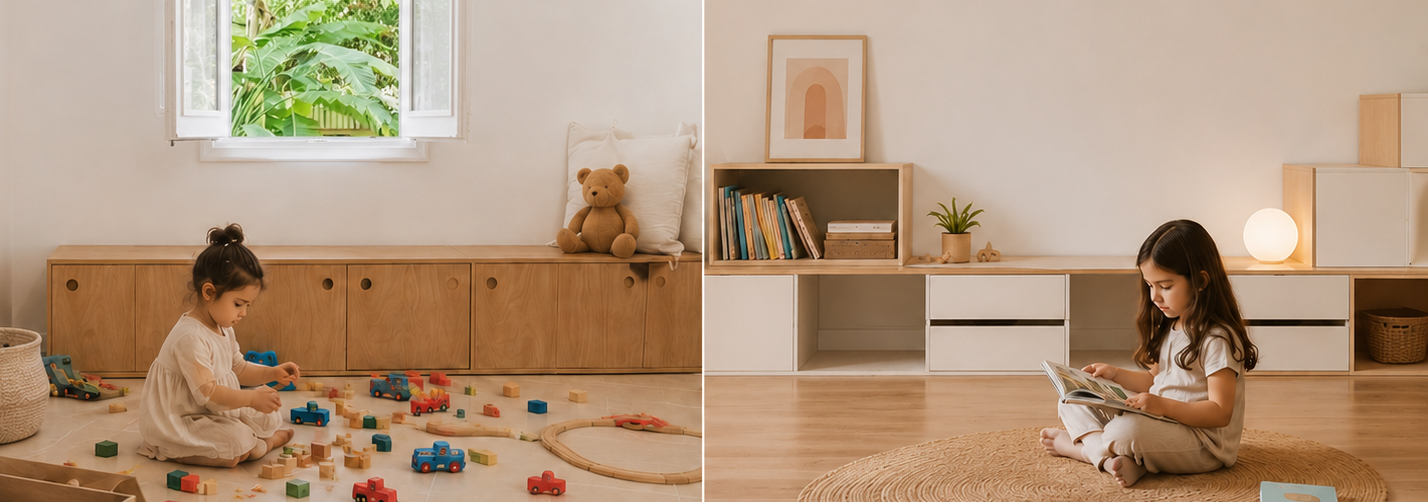
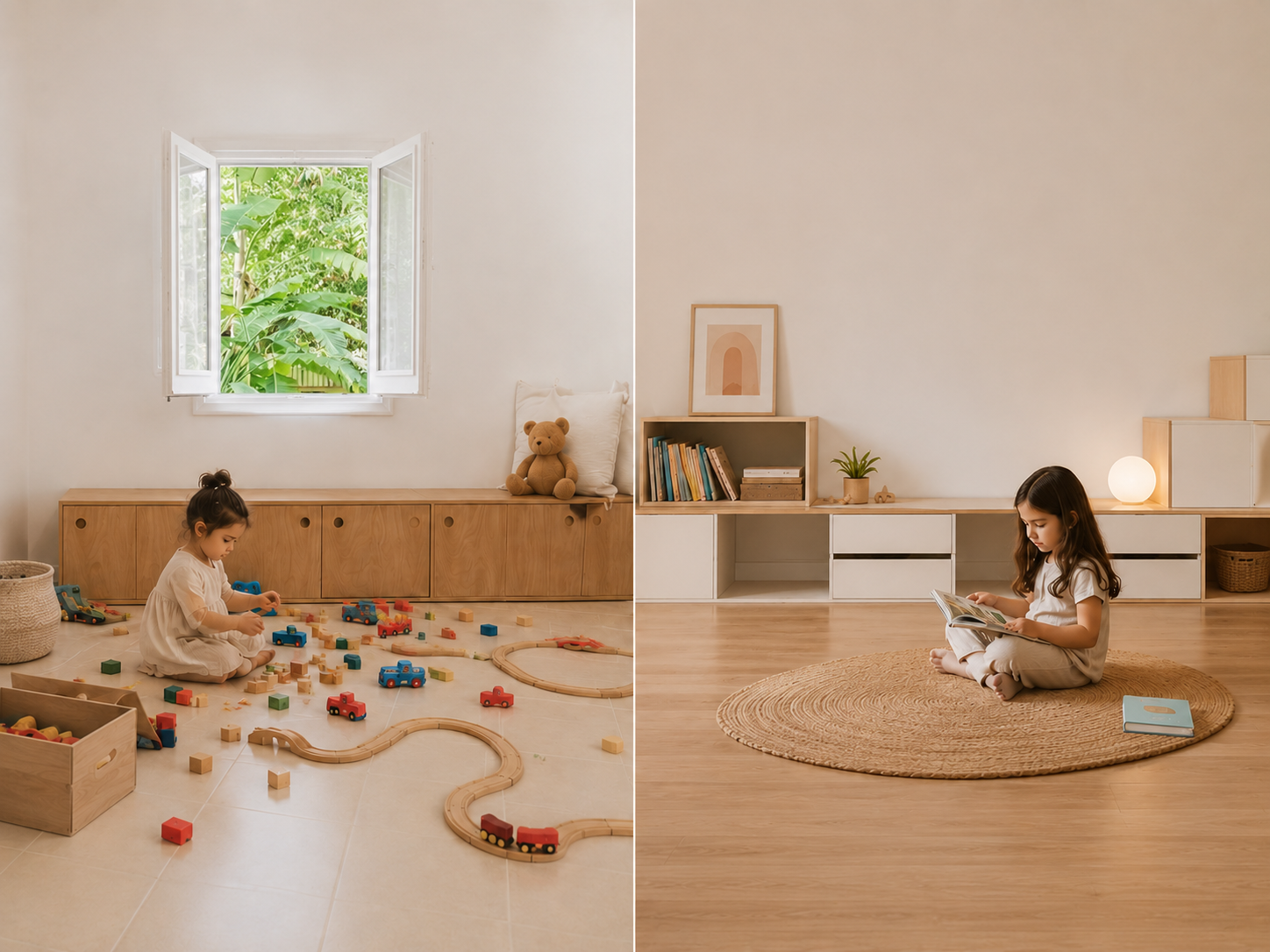
People often ask me how I keep order with a baby. My daughter loves disorder. She takes books off shelves, empties baskets, moves toys around the house and creates her own worlds. Then I put things back, and now I am teaching her to put things back too.
She is sixteen months old, and sometimes when she collects something, she says “thank you.” I find that beautiful because she is learning that caring for things and caring for a space are connected.
I am not interested in perfection, nor in the kind of minimalism that removes all traces of life from a home. A home should reveal the people who live there, their memories, interests and affections. The challenge is not to eliminate life but to create enough order for life to flourish. I am interested in a human order, where life is present but does not become overwhelming.
As an architect, I have spent much of my professional life studying the relationship between people and their environments. Yet the more I observe homes, families, and even my own daily habits, the more I wonder whether order serves a purpose that extends beyond the physical environment itself.
Perhaps physical order becomes a form of mental order.
Perhaps the process of deciding what deserves a place in our homes is not entirely different from deciding what deserves a place in our lives.
When we organize a room, we are constantly making decisions. What should remain? What should leave? What is essential? What no longer serves a purpose? These seem like practical questions, but they may also be philosophical ones.
The challenge is rarely storage.
The challenge is discernment.
Why do we keep objects we never use? Why do we struggle to part with possessions that have long lost their function? Why do we hold on to commitments, obligations, relationships, and routines that no longer contribute to our wellbeing?
Sometimes we keep things because they represent a memory. Sometimes because they represent an aspiration. Sometimes because we spent money on them. Sometimes because they have simply been with us for so long that letting them go feels uncomfortable.
The result is that our homes gradually become archives of past decisions. And sometimes, archives of past versions of ourselves.
Every act of organizing is also an act of letting go. We are not only deciding what stays in our homes. We are deciding which version of ourselves we continue carrying forward.
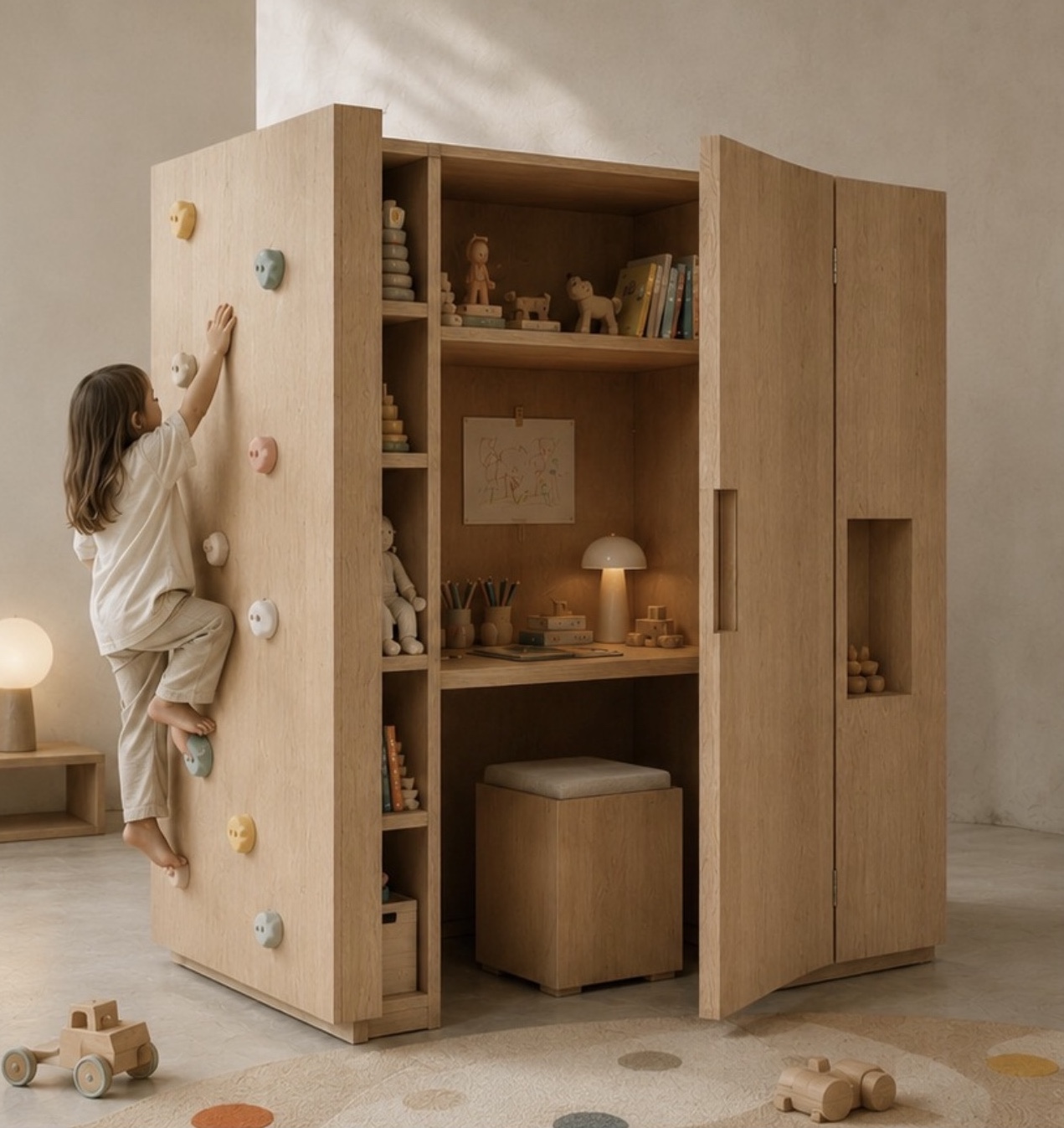
Good design can help. Thoughtfully designed furniture, accessible storage, and environments that reduce friction make it easier to maintain order in daily life. In my own home, I have intentionally chosen furniture and systems that support simple routines. The goal is not perfection. The goal is to spend less energy managing possessions and more energy focusing on the people and activities I value most.
I have always felt that the order of a home reflects something about the life inside it. The objects we keep, the things we display, the closets we avoid, the piles that remain, the objects that belonged to a previous version of ourselves, all of it tells a story.
Perhaps this is why physical order can become mental order, and even emotional or spiritual order. When we organize a desk, a drawer or a room, we practice the ability to distinguish what matters from what simply occupies space. The same question can be asked of our calendars, our commitments, our relationships and our lives.
In a world that constantly encourages us to add more — to buy more, do more, become more — perhaps the deeper challenge is not accumulation but discernment.
What deserves a place?
And what has remained only because it has been there for a long time?
If your home feels overwhelming — if clutter is affecting your ability to think, rest, or be present — start with a conversation.
I help families understand how their space affects their daily life, and reshape it to support calm, clarity, and wellbeing.
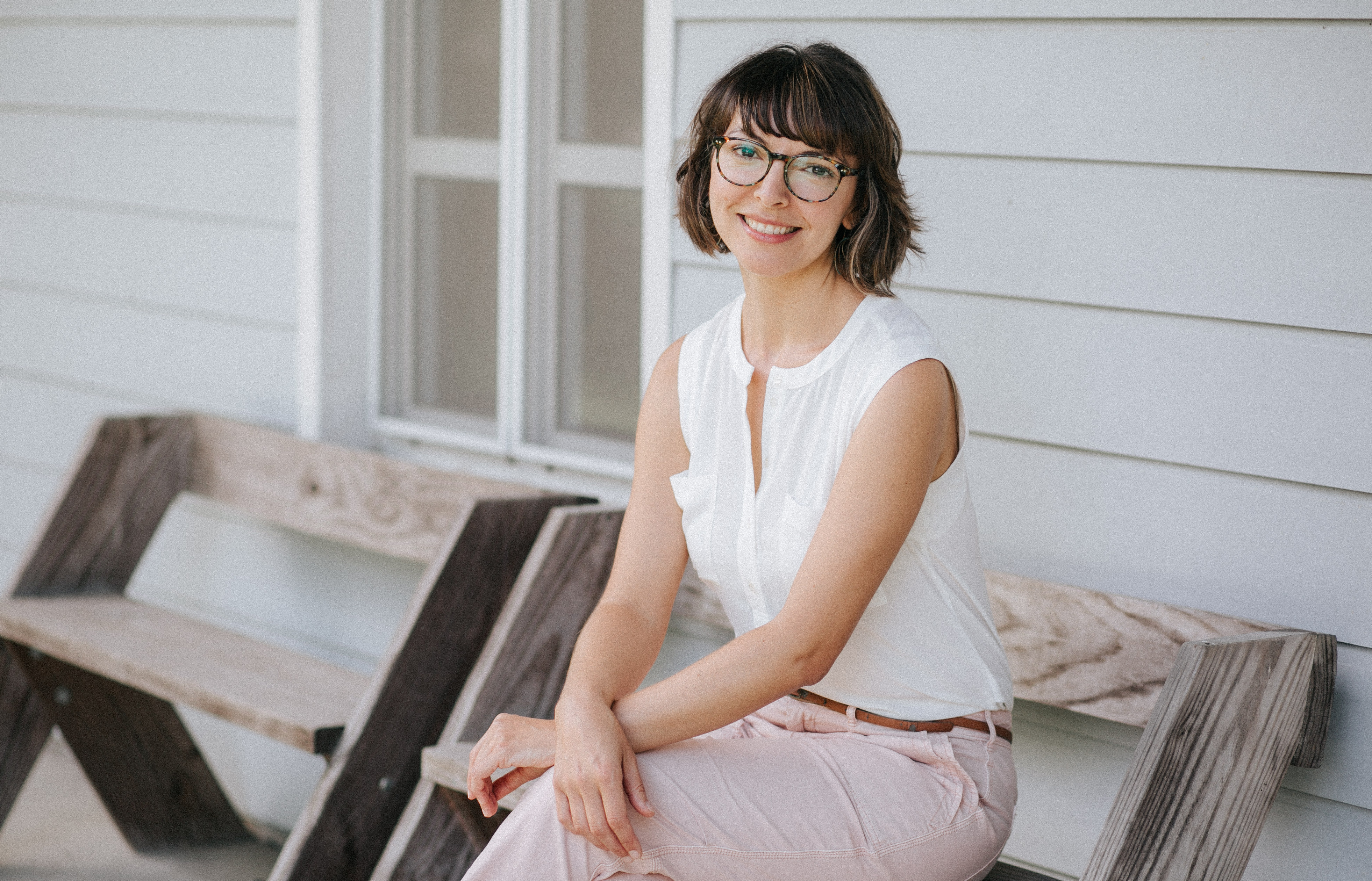
Marta Rodríguez is a PhD architect and design advisor based in the Bay Area. Her practice focuses on how space affects health, daily life, and the people who inhabit it — including families navigating life transitions.